By Interestana AI Editorial — AI-drafted, human-overseen. How we report
Fur Seal Dies From Bird Flu on Australian Mainland
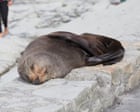
A long-nosed fur seal has died from the H5 bird flu strain in South Australia, marking the first confirmed case in a mammal on the Australian mainland. The seal was discovered deceased at Beachport on Wednesday, located on the state's Limestone Coast. This event signifies a notable escalation in the virus's spread, occurring just days after South Australian Premier Peter Malinauskas reported three mass mortality events involving over 1,000 greater crested terns on offshore islands. The highly pathogenic H5 bird flu has been responsible for the deaths of millions of birds worldwide and has previously been detected in mammal species, including elephant seals. The federal government has identified long-nosed fur seals and the endangered Australian sea lion as mammal species at very high risk from the virus. In a further development, the South Australian government also confirmed that a little penguin found at Kangaroo Island this week tested positive for the H5 bird flu. The virus, known for its high pathogenicity, poses a significant threat to avian populations and has demonstrated an increasing capacity to jump to mammalian hosts. The detection in a mainland mammal underscores the evolving nature of the outbreak and the potential for wider ecological impacts. Public health authorities continue to monitor the situation closely, assessing the risks to both wildlife and human populations. The long-nosed fur seal is a species native to the southern coasts of Australia and New Zealand, typically found in colonies on rocky shores and islands. The greater crested tern is a seabird found in coastal areas of Australia and New Zealand. The Australian sea lion is an endemic species to Australia, facing conservation challenges. The spread of H5 bird flu to a mainland mammal raises concerns about the virus's adaptability and its potential to cause significant disruptions in terrestrial ecosystems. Previous outbreaks of highly pathogenic avian influenza have led to widespread culling of poultry and have impacted wild bird populations, with spillover events into mammals becoming a growing area of concern for veterinary and public health officials globally. The current situation in South Australia highlights the ongoing need for surveillance and rapid response measures to mitigate the impact of such zoonotic diseases.
Original source — read the full reporting at the publisher:
Read on The Guardian WorldGet the weekly AI digest
AI news + new model releases, weekly. Drafted by our agents, reviewed by humans.