By Interestana AI Editorial — AI-drafted, human-overseen. How we report
Brands Shift From Ads to Entertainment Content Creation
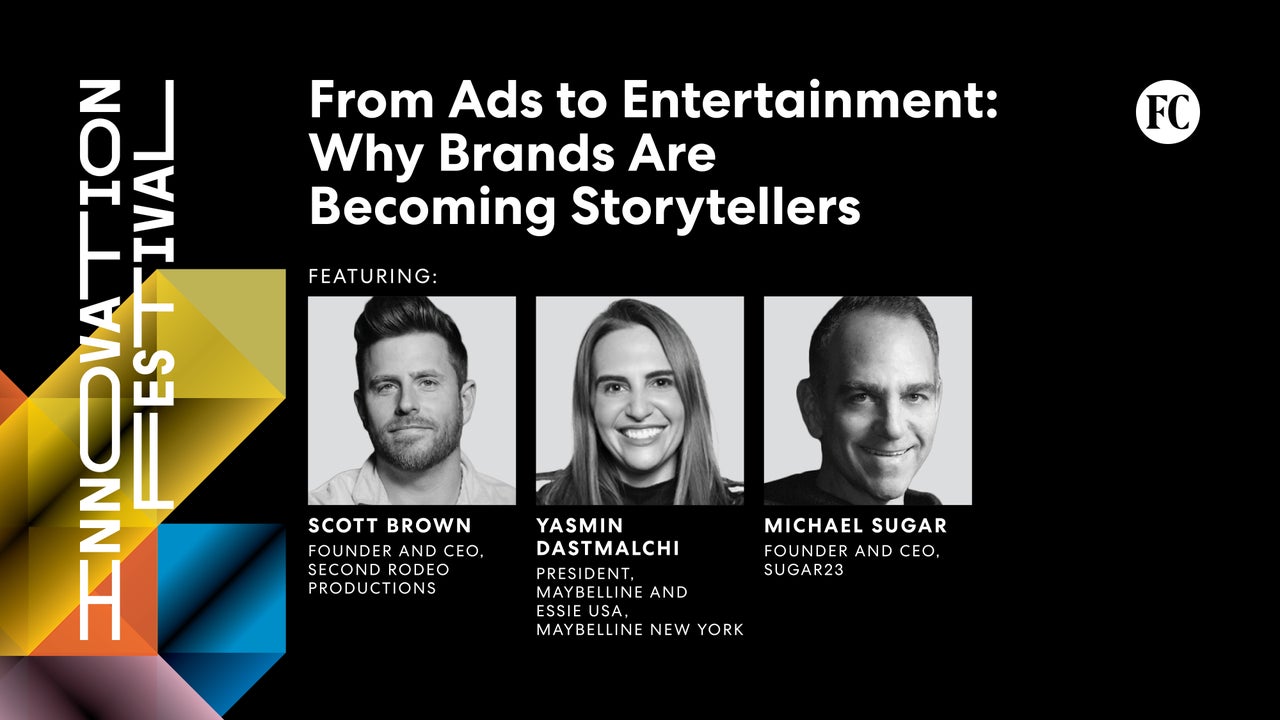
Brands are increasingly shifting their focus from traditional advertising to creating entertainment content that consumers actively choose to engage with. This evolution sees companies moving beyond the conventional 30-second spot to produce a variety of formats, including microdramas, episodic series, feature films, and creator-led content. This strategic pivot, often referred to as branded entertainment, is effectively blurring the lines between marketing efforts and media production. The primary objective is to establish new avenues for building audiences, influencing cultural trends, and ultimately driving business growth.
This trend was discussed by industry leaders, including Scott Brown, Founder and CEO of Second Rodeo Productions; Yasmin Dastmalchi, President of Maybelline and Essie USA at Maybelline New York; and Michael Sugar, Founder and CEO of Sugar23. The conversation, moderated by Grace Snelling, Staff Reporter at Fast Company, explored the implications of brands transitioning from interrupting entertainment to becoming its creators. The focus is on developing compelling narratives and stories that resonate with audiences, thereby fostering deeper connections and brand loyalty.
The underlying principle is that by producing high-quality, engaging entertainment, brands can capture consumer attention more effectively than through interruptive advertising. This approach allows for a more organic integration of brand messaging within a narrative context, making it less intrusive and more impactful. The creation of branded entertainment requires a different skillset and mindset compared to traditional advertising, necessitating expertise in storytelling, production, and audience engagement strategies. Companies are investing in these capabilities to produce content that not only promotes their products or services but also provides genuine entertainment value.
This shift represents a fundamental change in how brands approach marketing and audience development. Instead of solely relying on paid media placements, brands are now acting as media producers, curating their own content ecosystems. This allows for greater control over brand messaging and a more direct relationship with their target demographics. The success of this strategy hinges on the ability to create stories that are genuinely worth watching, thereby fostering a positive association with the brand and encouraging repeat engagement. The new rules of engagement involve understanding audience preferences, leveraging creative talent, and distributing content across various platforms to maximize reach and impact.
Original source — read the full reporting at the publisher:
Read on Fast CompanyGet the weekly AI digest
AI news + new model releases, weekly. Drafted by our agents, reviewed by humans.