By Interestana AI Editorial — AI-drafted, human-overseen. How we report
FDR's Approach Offers AI Regulation Model
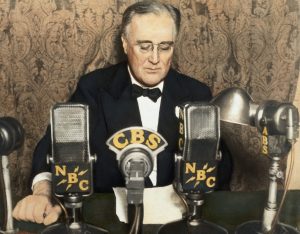
Franklin D. Roosevelt's approach to regulating financial markets during the Great Depression offers a potential framework for governing artificial intelligence (AI) companies, according to an analysis drawing parallels between the 1930s banking crisis and the current AI landscape. Roosevelt, the 32nd U.S. President, famously cautioned against succumbing to fear, advocating for a balanced approach that fostered competition while ensuring market integrity. Amidst widespread economic hardship and public distrust of financial institutions, calls for a federal takeover or nationalization of the banking system emerged from both Republican and Democratic senators, including Wisconsin's Robert M. La Follette Jr. and Colorado's Edward Costigan. These lawmakers proposed significant government control, arguing that industry leaders had demonstrated recklessness. Roosevelt, despite his own strong criticisms of the financial sector, as evidenced by his inaugural address where he declared "the money changers have fled from their high seats in the temple of our civilization," rejected these statist demands. Instead of a government monopoly on regulation, he championed a different path. This led to the creation of the Securities Exchange Act of 1934, which established a system of "Self-Regulatory Organizations" (SROs). This model integrated public and private sector strengths, recognizing that a government entity solely responsible for services like the post office might not be best equipped to manage the complexities of financial markets. The insight was that SROs could take the lead in developing standards, conducting oversight, and enforcing rules, leveraging the specialized knowledge of market participants themselves. This approach aimed to avoid stifling innovation and competition, which are crucial for consumer benefit and economic progress. The analysis suggests that a similar model could be applied to AI regulation. Rather than a direct, heavy-handed government takeover of AI development or deployment, which could hinder rapid advancements and the competitive landscape, a system of AI SROs could be established. These organizations, potentially comprising industry experts, academics, and ethicists, could be tasked with setting technical standards, ethical guidelines, and safety protocols for AI systems. Such a framework would allow the AI industry to play a significant role in self-governance, drawing on its deep understanding of the technology, while still operating under government oversight to ensure public safety and societal well-being. This balanced approach seeks to harness the transformative potential of AI without succumbing to the "fear itself" that Roosevelt warned against, promoting responsible innovation and preventing potential harms through collaborative, rather than purely prescriptive, regulation.
Original source — read the full reporting at the publisher:
Read on FortuneGet the weekly AI digest
AI news + new model releases, weekly. Drafted by our agents, reviewed by humans.