By Interestana AI Editorial — AI-drafted, human-overseen. How we report
Hardwick Estate Becomes Charity Run by Tenants
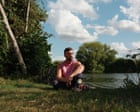
The Hardwick estate, situated on the banks of the Thames in South Oxfordshire, is undergoing a significant transformation, moving from generational private ownership to becoming a charity managed by its tenants and the alternative community that has developed there. This initiative is spearheaded by Nick Hayes, an artist, writer, and co-founder of the Right to Roam campaign, who has served as the estate's artist-in-residence. Hayes observed the gradual process by which the heirs of the estate's former owner, Sir Charles Rose, a banker and sportsman, are effectively relinquishing their inheritance to establish this new charitable structure. The estate's history is notably linked to Kenneth Grahame's "The Wind in the Willows," where the character of Mr. Toad was inspired by Sir Charles Rose's early motoring exploits and his association with the estate. Grahame's Mr. Toad became a literary symbol of decadent aristocracy whose follies led to the temporary loss of a grand house to "weasel-socialists." In a contemporary echo of this narrative, the "Toad Hall" of the Hardwick estate is now being permanently transferred to community control. Hayes, who resides on a barge on the Thames and has a direct view of these developments, has documented this "peaceful revolution" in land rights. The transition aims to ensure the estate's future is governed by those who live and work on it, fostering a model of community-led stewardship. This move represents a departure from traditional aristocratic land ownership, where estates are passed down through familial lines, towards a more inclusive and democratically managed model. The establishment of the charity is intended to preserve the estate's heritage while empowering its residents and fostering a sustainable future for the land and its inhabitants. The initiative reflects a broader discourse on land rights and access, aligning with the principles advocated by the Right to Roam campaign, which seeks to increase public access to and understanding of land ownership and its implications. The specific mechanisms and governance structure of the new charity are being developed to reflect the needs and aspirations of the tenant community and the wider alternative community associated with the estate. This development at Hardwick Hall signifies a unique approach to land management, prioritizing community well-being and collective responsibility over private accumulation.
Original source — read the full reporting at the publisher:
Read on The Guardian EnvironmentGet the weekly AI digest
AI news + new model releases, weekly. Drafted by our agents, reviewed by humans.