By Interestana AI Editorial — AI-drafted, human-overseen. How we report
Tech Companies Explore Space for AI Data Centers
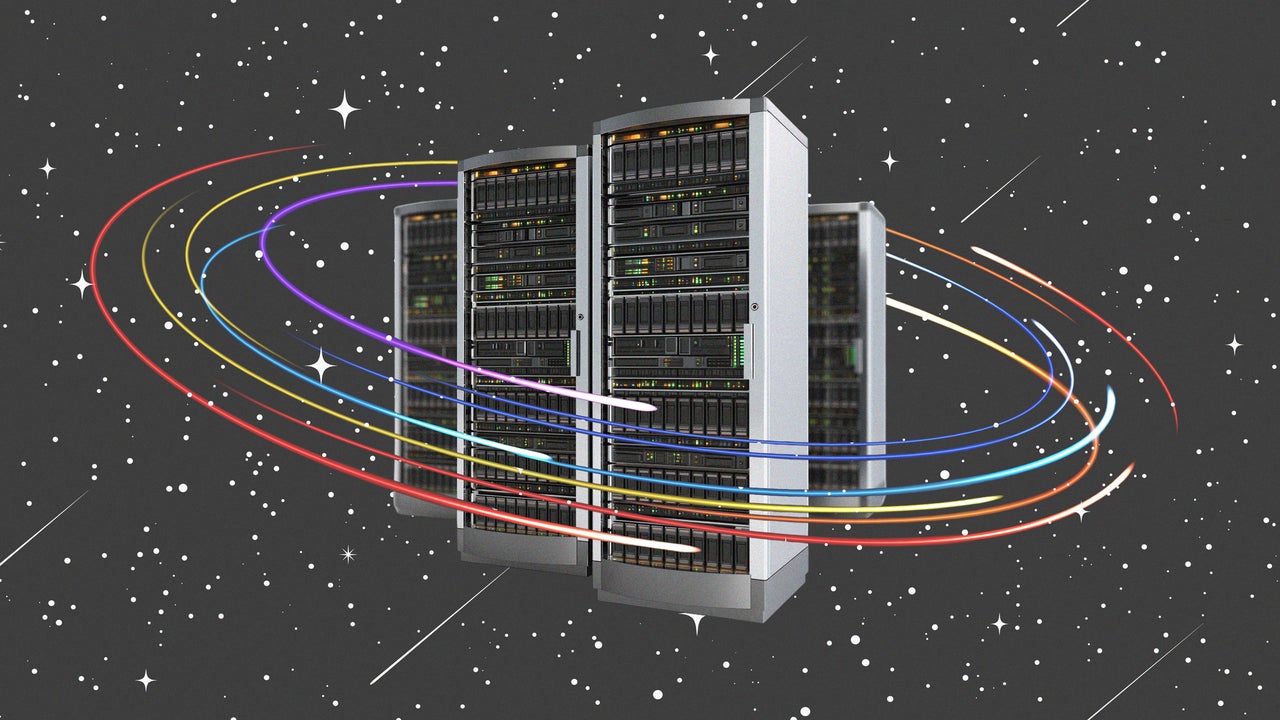
Tech companies are increasingly exploring the concept of establishing AI data centers in space, driven by the immense power and cooling demands of artificial intelligence hardware. The chips powering AI models require substantial electrical energy, and the projected growth of AI data centers is expected to significantly strain Earth's electrical grid. In the United States, data centers are anticipated to account for nearly half of the nation's electricity demand growth by 2030. Space offers a compelling alternative with its abundant and continuous solar power. In orbit, solar panels can collect approximately eight times more energy than on Earth, and the consistent sunlight minimizes the need for battery storage, thereby bypassing the limitations of terrestrial power grids.
Proponents of orbital data centers envision "solar-powered compute swarms" where AI servers operate in space, with their processed data beamed back to Earth via laser or radio transmissions. This concept gained significant traction last year when Jeff Bezos remarked that data centers would be "better built in space, because we have solar power there, 24/7." The idea has resonated within the investment community and attracted numerous startups. Elon Musk has also identified space computing as a key ambition for SpaceX, underscoring the growing interest from major industry players. However, the concept faces considerable criticism, with opponents highlighting the daunting economics and questioning some of the purported advantages, such as easier cooling, which may not hold up under detailed examination.
Despite the challenges, the push to validate the feasibility of space-based AI computing is accelerating. Google recently launched four of its Tensor Processing Units (TPUs) into orbit aboard a solar-powered Planet Labs satellite to test the in-space compute concept. These TPUs will orbit the Earth, gathering data on their performance in the space environment. This initiative by Google represents a concrete step towards understanding the practicalities of running AI workloads beyond Earth's atmosphere. The ongoing testing and investment from major technology firms and a burgeoning ecosystem of startups indicate a serious commitment to exploring this frontier, aiming to determine if space can indeed offer a scalable and sustainable solution for the future of AI infrastructure.
Original source — read the full reporting at the publisher:
Read on Fast CompanyGet the weekly AI digest
AI news + new model releases, weekly. Drafted by our agents, reviewed by humans.