By Interestana AI Editorial — AI-drafted, human-overseen. How we report
European EV Sales Reach 29% of New Car Market
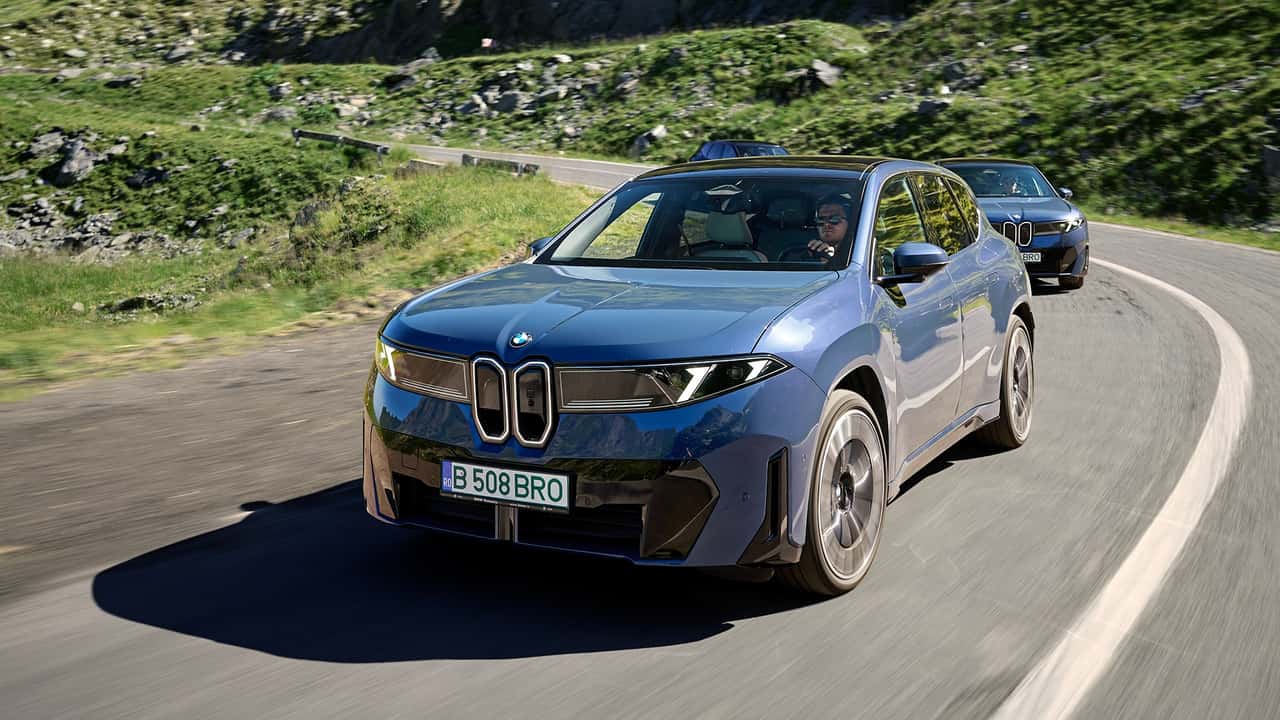
Electric vehicle (EV) sales in Europe have experienced a substantial surge, now accounting for 29% of all new car registrations across the continent. This significant market penetration indicates a strong and accelerating shift in consumer preference towards electric mobility. The data reflects a growing acceptance and demand for EVs, driven by a combination of factors including expanding model availability, improving charging infrastructure, and evolving government incentives and regulations aimed at reducing carbon emissions from transportation.
This upward trend in EV adoption is not uniform across all European nations but represents a collective momentum. Countries like Norway have long been at the forefront of EV adoption, with electric vehicles making up a majority of new car sales for some time. However, the recent figures suggest that broader adoption is now taking hold across major European markets, including Germany, France, the United Kingdom, and Italy. The increasing market share of EVs places pressure on traditional internal combustion engine (ICE) vehicle manufacturers to accelerate their own electrification strategies and on the broader automotive industry to adapt to new supply chains and technological demands.
The rise in EV sales is closely linked to the European Union's ambitious climate targets, which include significant reductions in CO2 emissions from new vehicles. Regulations such as the proposed ban on the sale of new petrol and diesel cars from 2035 are acting as powerful catalysts, encouraging both consumers and manufacturers to transition to electric alternatives. Furthermore, the expansion of charging networks, supported by both public and private investment, is helping to alleviate range anxiety, a key barrier to EV adoption for many consumers. As more charging points become available, the practicality and convenience of owning an EV increase, further fueling sales.
This sustained growth in the European EV market also has implications for the energy sector, as increased electricity demand from charging needs to be met, ideally by renewable sources to maximize environmental benefits. It also impacts the automotive supply chain, with a growing emphasis on battery production, raw material sourcing, and the development of new manufacturing processes. The 29% market share represents a critical inflection point, suggesting that EVs are moving from a niche segment to a mainstream automotive choice in Europe, with continued growth anticipated as technology advances and economies of scale further reduce costs.
Original source — read the full reporting at the publisher:
Read on InsideEVsGet the weekly AI digest
AI news + new model releases, weekly. Drafted by our agents, reviewed by humans.