By Interestana AI Editorial — AI-drafted, human-overseen. How we report
Book Highlights Existing Post-Carbon Solutions
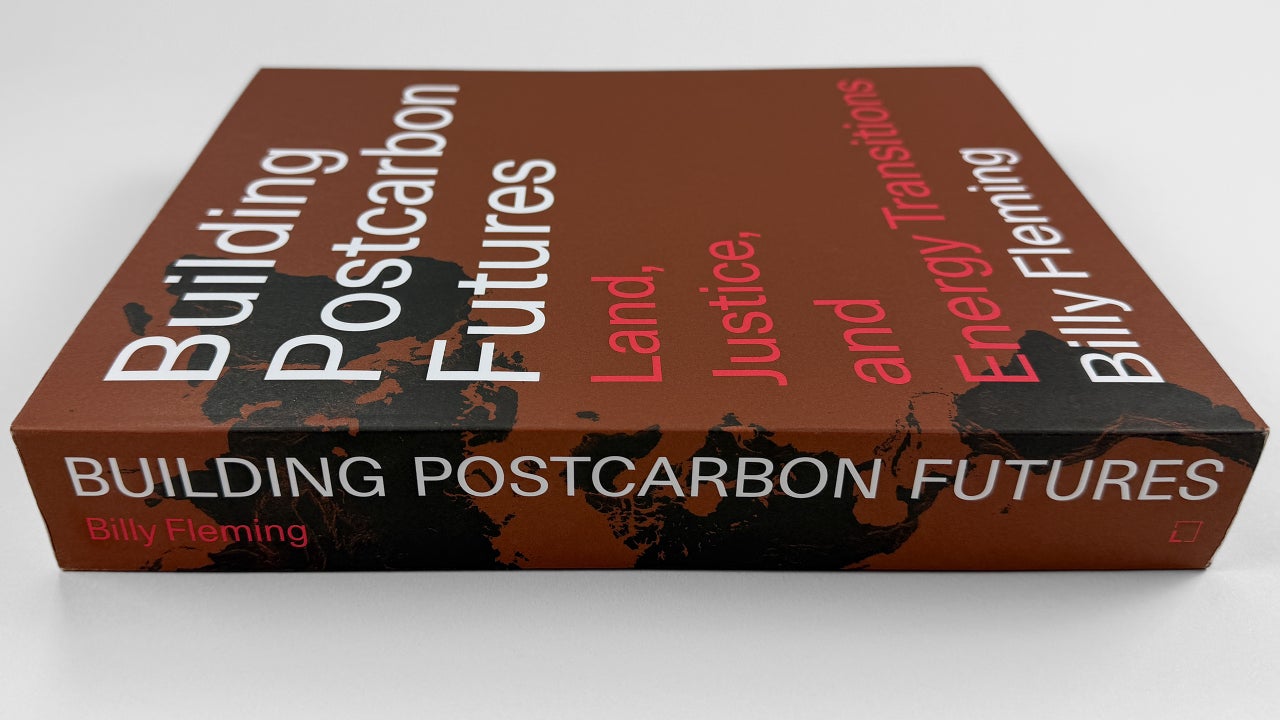
Despite a year marked by severe environmental catastrophes, including devastating floods in Nepal, heat waves in Europe causing over 35,000 deaths, and crop destruction in the Midwest due to extreme temperature swings, there are significant reasons for optimism regarding climate change solutions. The UN Climate Change executive secretary, Simon Stiell, has stated that the climate alarm is blaring in every direction. A recent UN report indicates the world is on track to surpass the 1.5 degrees Celsius warming threshold within the next few years, a critical tipping point identified in the 2016 Paris Agreement, which aims for net-zero global carbon emissions by 2050. However, the book "Building Postcarbon Futures: Land, Justice, and Energy Transitions," authored by landscape architect Billy Fleming, presents a compelling argument that equitable, just, and environmentally sound decarbonization solutions are not only possible but are already being implemented globally. Fleming, an associate professor of landscape architecture at Temple University and an advisory board member of the Climate and Community Institute, who also served as a policy advisor to the Obama administration, details 26 case studies from 43 countries across six continents. These examples demonstrate that effective strategies for addressing the climate crisis do not require futuristic inventions but can be found in existing community practices. The book emphasizes that successful decarbonization involves more than just switching to green energy sources; it necessitates challenging conventional ownership structures and re-evaluating the types of knowledge and innovation that are valued. Fleming's work illustrates that the most impactful solutions are not always the newest technological advancements. For instance, the Zapatista movement in Chiapas, Mexico, employs the milpa farming system, a practice rooted in techniques that are approximately 2,000 years old, highlighting the efficacy of traditional knowledge. The book argues that the focus should not solely be on cutting-edge design or technology, but rather on understanding and scaling proven, community-led initiatives that foster both environmental sustainability and social equity. Fleming's atlas provides a comprehensive overview of these diverse approaches, offering a roadmap for a more sustainable and just future by drawing on the ingenuity and resilience already present in communities worldwide. The publication serves as a vital resource for policymakers, urban planners, and environmental advocates seeking practical and implementable strategies to combat climate change.
Original source — read the full reporting at the publisher:
Read on Fast CompanyGet the weekly AI digest
AI news + new model releases, weekly. Drafted by our agents, reviewed by humans.