By Interestana AI Editorial — AI-drafted, human-overseen. How we report
Formula 1 Plans V8 Engine Return for 2030 Season
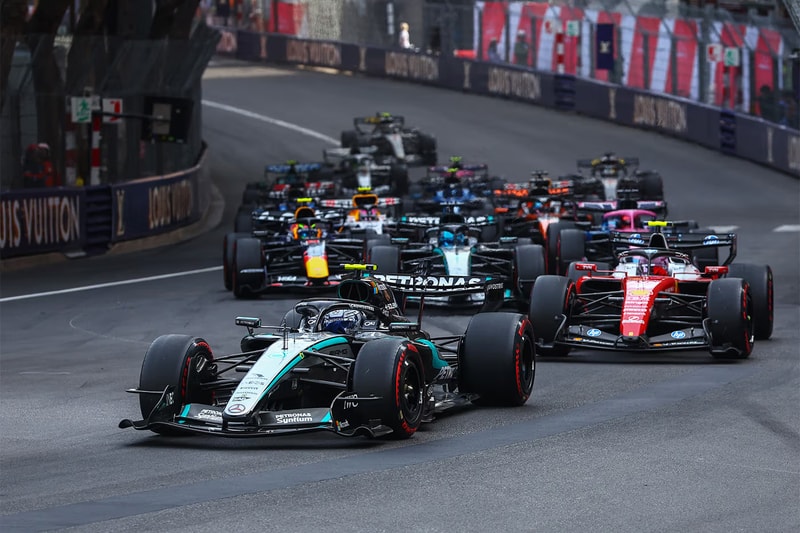
Formula 1 is preparing to mandate three-liter turbocharged V8 engines for the 2030 season, a decision driven by a near-unanimous revolt from drivers concerning the sport's upcoming 2026 power unit regulations. This strategic shift represents a significant course correction, moving away from the 2026 engine framework that had attracted manufacturers like Audi, Cadillac, and Ford. By altering the technical blueprint just as these new entities were set to enter the championship, Formula 1 is prioritizing driver feedback and a reduction in vehicle weight over the stability of the planned hybrid era. The primary objective of the 2030 regulation changes is to reduce the overall weight of the power units by 110 pounds. This contrasts with the 2026 powerplants, which are burdened by a minimum weight limit of 407 pounds. The new V8 engine specifications will retain a degree of electrification, incorporating a smaller battery system coupled with a 134 horsepower electric motor. The return to an eight-cylinder configuration aims to blend motorsport heritage with contemporary performance. Formula 1 last utilized V8 engines from 2006 to 2013, during which time naturally aspirated engines produced in excess of 750 horsepower before being phased out. The 2030 specifications are designed to enable manufacturers to surpass the 1,000 horsepower threshold by integrating a turbocharger with advancements accumulated over 17 years of technical development. To further enhance the utilization of this increased power output, Formula 1 is also considering the introduction of an IndyCar-style "push-to-pass" system for the 2030 season. This system would allow drivers to access an additional power boost for a limited duration, adding a strategic element to racing. The turbocharger itself is designed to function as an improvised muffler, a feature intended to help meet the stringent noise regulations often imposed at modern street circuits. This dual functionality addresses both performance and regulatory requirements. The decision to revert to V8 engines signifies a departure from the complex hybrid power units that have been a hallmark of Formula 1 since 2014. The current V6 turbo-hybrid engines, while technologically advanced, have been criticized for their complexity and a perceived lack of audible drama. Driver complaints have frequently centered on the sound profile and the intricate management of energy recovery systems. The proposed V8 engines are expected to deliver a more visceral auditory experience and a more direct power delivery, which drivers have indicated is crucial for their engagement and the spectacle of the sport. The move also aims to simplify engine development and reduce costs for manufacturers, potentially making the sport more accessible to new entrants in the long term, despite the immediate disruption to existing plans. The FIA, the governing body for Formula 1, is expected to release further technical details and confirm the regulations in the coming months.
Original source — read the full reporting at the publisher:
Read on HypebeastGet the weekly AI digest
AI news + new model releases, weekly. Drafted by our agents, reviewed by humans.