By Interestana AI Editorial — AI-drafted, human-overseen. How we report
EVs Not Dirtier Than Gas Cars Even With Fossil Fuel Power
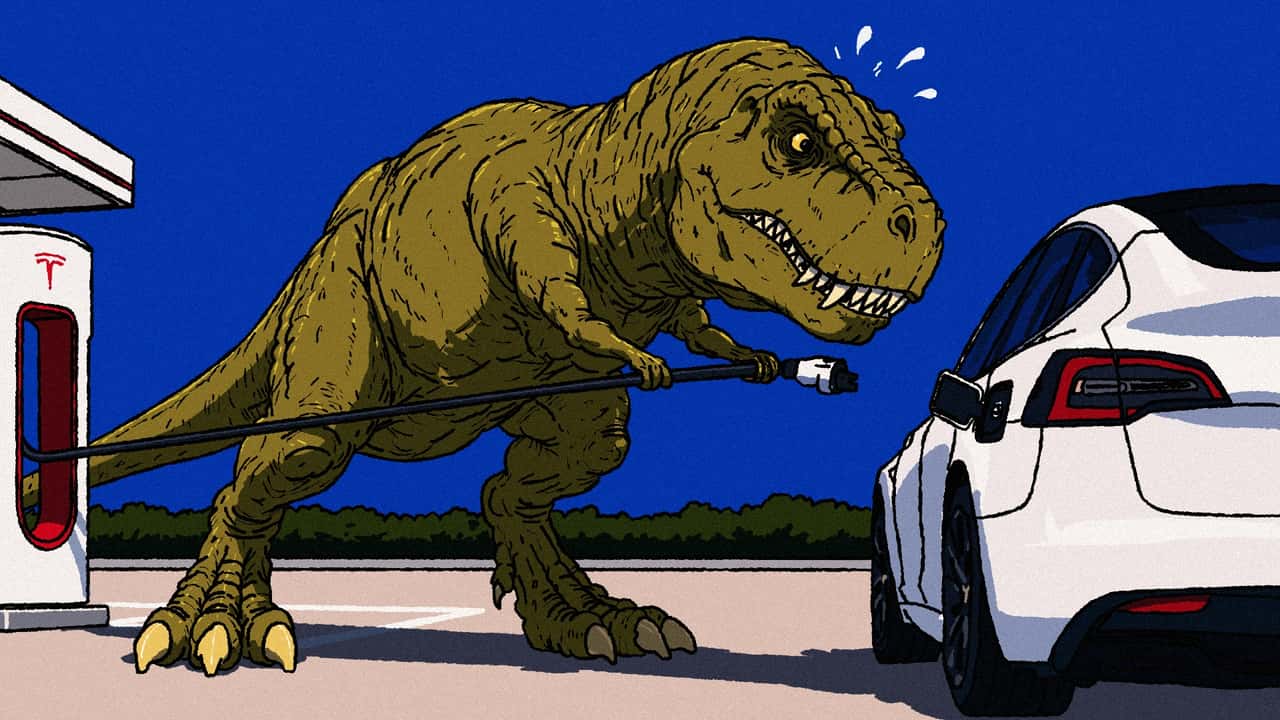
Electric vehicles (EVs) are not inherently 'dirtier' than gasoline-powered cars, even when charged using electricity generated from fossil fuels, according to a comprehensive analysis. Skeptics often argue that the emissions associated with electricity production, particularly from coal and natural gas power plants, negate the environmental benefits of EVs. However, this perspective fails to account for the full lifecycle emissions of both vehicle types and the increasing decarbonization of electricity grids.
The lifecycle emissions of an EV include manufacturing, battery production, electricity generation for charging, and eventual disposal. For gasoline cars, emissions encompass fuel extraction, refining, transportation, and tailpipe exhaust. When considering the emissions from electricity generation, the analysis highlights that even a grid heavily reliant on fossil fuels produces fewer lifecycle emissions per mile driven than a comparable gasoline vehicle. This is due to the inherent inefficiencies of internal combustion engines, which release pollutants directly at the point of use, compared to the more controlled and often cleaner emissions from large-scale power plants.
Furthermore, the environmental impact of EVs is significantly reduced as electricity grids transition to renewable energy sources like solar, wind, and hydropower. As the proportion of renewable energy in the grid increases, the emissions associated with charging an EV decrease substantially, making them progressively cleaner than gasoline cars. This trend is already underway in many regions, with governments and energy providers investing heavily in clean energy infrastructure. The analysis points out that the emissions from power plants, even fossil fuel ones, are generally easier to regulate and reduce compared to the dispersed emissions from millions of individual gasoline vehicles.
The study emphasizes that the manufacturing process for EVs, particularly battery production, does have an environmental footprint. However, this initial impact is typically offset over the vehicle's lifespan by the lower operational emissions. The increasing efficiency of battery manufacturing and the development of battery recycling technologies are further mitigating these concerns. Ultimately, the data indicates that the claim that EVs are dirtier than gas cars, even when charged with fossil fuel power, is a myth that overlooks the complex lifecycle of both technologies and the ongoing shift towards cleaner energy sources.
Original source — read the full reporting at the publisher:
Read on InsideEVsGet the weekly AI digest
AI news + new model releases, weekly. Drafted by our agents, reviewed by humans.