By Interestana AI Editorial — AI-drafted, human-overseen. How we report
Xiaomi Unveils Custom Chip For Driver-Assist Features
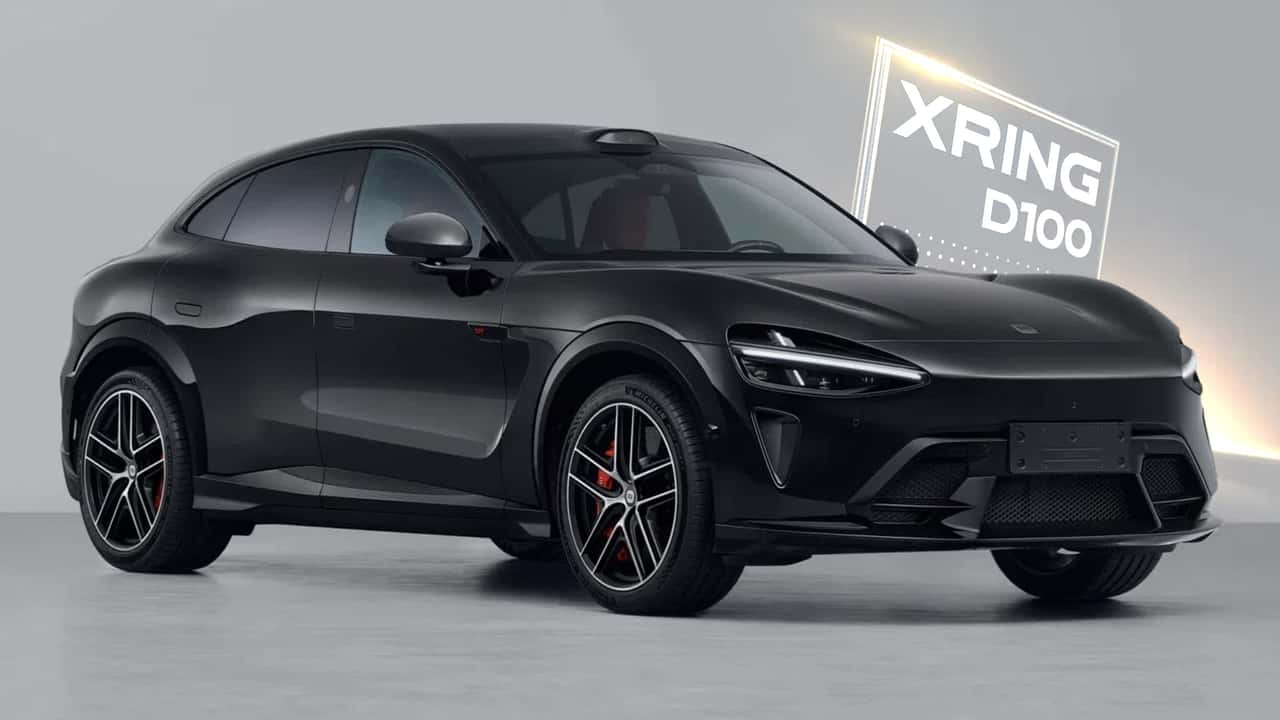
Xiaomi unveiled new in-house developed chips this week, marking a significant step in its vertical integration strategy across its product lines, including smartphones and electric vehicles. These custom-designed processors are intended to power a range of advanced features, with a particular focus on enhancing the capabilities of its electric car division, notably its driver-assistance systems. The company's move towards in-house chip development signifies a commitment to greater control over hardware performance and feature integration, potentially reducing reliance on third-party suppliers and allowing for more tailored innovation.
The specific details regarding the architecture or manufacturing process of these new chips were not fully disclosed at the time of the announcement. However, Xiaomi indicated that these chips are designed to be powerful and versatile, capable of supporting complex computational tasks required for modern consumer electronics and automotive applications. For its electric vehicles, the integration of these custom chips is expected to enable more sophisticated autonomous driving functionalities, improved sensor processing, and enhanced in-car infotainment systems. This strategic decision aligns with the broader trend in the automotive industry, where manufacturers are increasingly developing proprietary hardware and software to differentiate their offerings and ensure seamless integration of advanced technologies.
Xiaomi's venture into custom chip design is a long-term play aimed at strengthening its competitive position in both the consumer electronics and automotive markets. By controlling the chip development process, Xiaomi can optimize performance, power efficiency, and cost for its specific product needs. This approach is reminiscent of strategies employed by other major technology companies that have invested heavily in custom silicon to gain a competitive edge. The company's electric vehicle arm, Xiaomi Auto, is a key area where these new chips are expected to make a substantial impact, potentially accelerating the development and deployment of next-generation driver-assistance and autonomous driving features. The success of this initiative could position Xiaomi as a more formidable player in the highly competitive electric vehicle landscape, offering a unique blend of smart device integration and automotive technology.
While the immediate impact on Xiaomi's smartphone business was also highlighted, the emphasis on automotive applications suggests a strategic prioritization of the electric vehicle sector's technological demands. The development and integration of these custom chips represent a significant capital investment and a testament to Xiaomi's ambition to innovate across its diverse portfolio. Further details on the performance benchmarks, specific functionalities enabled by the chips, and the timeline for their widespread deployment in Xiaomi's products are anticipated in future announcements.
Original source — read the full reporting at the publisher:
Read on InsideEVsGet the weekly AI digest
AI news + new model releases, weekly. Drafted by our agents, reviewed by humans.