By Interestana AI Editorial — AI-drafted, human-overseen. How we report
Roadless Rule Rollback Threatens US Wildlife and Water Resources
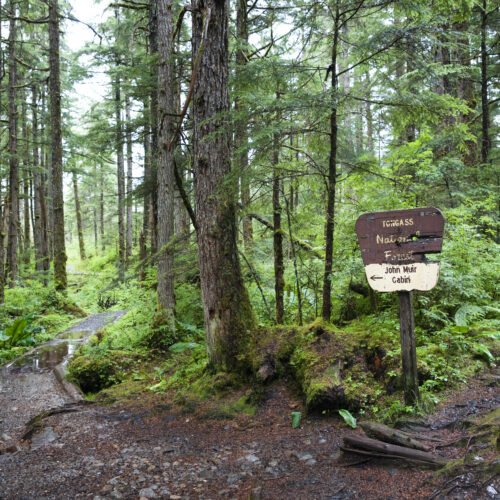
The 2001 Roadless Rule, which protected approximately 58.5 million acres of national forest land from road construction and logging, is facing a significant threat from a proposed rollback by the Trump administration. This rule has been instrumental in preserving undeveloped areas across the contiguous United States, with only about 5 percent of the lower 48 states remaining as inventoried roadless areas or wilderness. The proposed changes aim to dismantle these protections, potentially opening up these last wild spaces to development and resource extraction.
The implications of dismantling the Roadless Rule are far-reaching, particularly concerning the preservation of wildlife habitats and the quality of water resources. Road construction in previously undeveloped areas can lead to habitat fragmentation, isolating wildlife populations and disrupting migration patterns. This fragmentation can reduce biodiversity and make species more vulnerable to environmental changes and human activities. Furthermore, the construction of new roads often involves significant land disturbance, which can increase soil erosion and sedimentation in nearby waterways. This sedimentation can degrade water quality, harm aquatic ecosystems, and impact drinking water supplies for communities downstream.
Southeast Alaska's Tongass National Forest, the largest national forest in the United States, is highlighted as a critical area at risk. This old-growth coastal forest is a vital habitat for numerous species, including bald eagles, brown bears, and salmon populations, all of which depend on the integrity of this roadless landscape. The Inside Passage, a major marine highway, also relies on the health of the Tongass ecosystem. The proposed rollback could lead to increased logging and road building within the Tongass, directly threatening these iconic species and the delicate balance of the forest's environment. The vast network of over 4.2 million miles of public roads already present in the lower 48 states underscores the scarcity of truly roadless areas, making the protection of the remaining lands even more crucial.
The 2001 Roadless Rule was established following extensive public comment and scientific review, aiming to balance the need for resource development with the imperative of conserving natural landscapes. Its potential dismantling raises concerns among environmental groups and scientists who argue that the long-term ecological costs of opening these areas to development outweigh any short-term economic benefits. The rule's repeal could set a precedent for weakening other environmental protections, further impacting the nation's natural heritage and the services these wildlands provide, such as clean air and water. The decision to roll back the rule is expected to face legal challenges and significant public opposition from those advocating for the continued preservation of these invaluable natural resources.
Original source — read the full reporting at the publisher:
Read on Ars TechnicaGet the weekly AI digest
AI news + new model releases, weekly. Drafted by our agents, reviewed by humans.