By Interestana AI Editorial — AI-drafted, human-overseen. How we report
Pastoralists Share Drought Adaptation Lessons at UNCCD
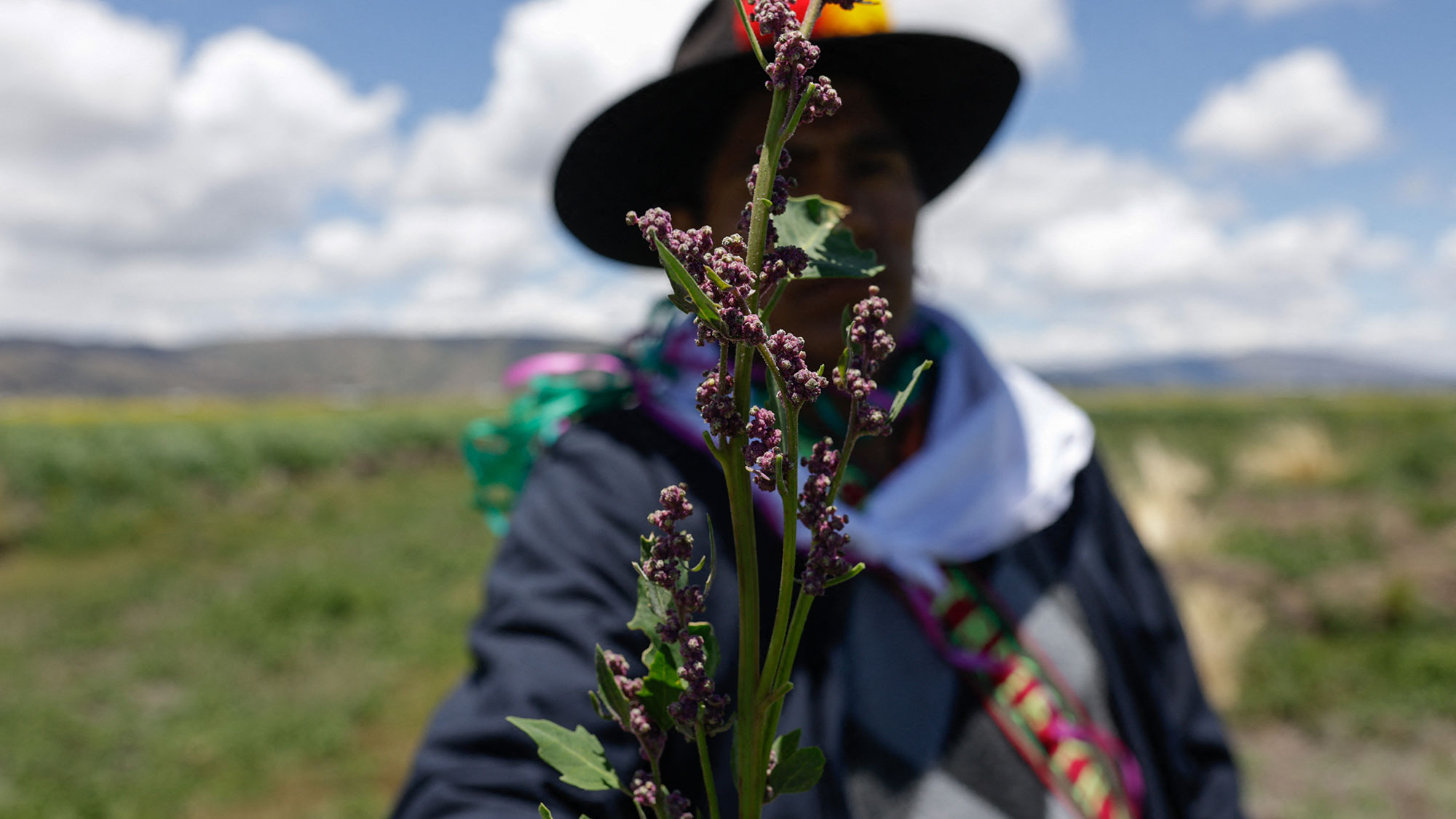
Pastoralists, representing approximately 500 million people globally who tend livestock in arid regions, are convening at the United Nations Convention to Combat Desertification (UNCCD) to advocate for greater recognition of their traditional knowledge in adapting to climate change. Andrew Msami, a member of the Maasai community in northeast Tanzania, highlighted the existential threat posed by recent extreme drought conditions, which are forcing communities to abandon culturally and economically valuable cattle for less desirable goats. Msami explained that while adaptation has always been part of Maasai life, current conditions are akin to desertification attacking their very identity, emphasizing that losing their identity means losing everything. Pastoralists, who often move with their herds in search of grass and water, are particularly vulnerable to climate change due to their reliance on arid environments prone to extreme temperatures. The rangelands they depend on, which constitute about half of the Earth's landmass, are increasingly threatened by drought and land degradation. Desertification is now occurring at a rate 30 to 35 times the historical average, impacting even resilient communities and exacerbating threats from invasive species, extractive industries, and tourism. The UNCCD gathering in Mongolia this week brings together hundreds of pastoralists from diverse regions, including Tanzania, Sudan, Nepal, and Mongolia. Their collective message to the world emphasizes the urgent need for stronger protections for Indigenous pastoral traditions, increased access to funding and resources to combat the desertification crisis, and official acknowledgment that their long-standing experience living on marginal lands provides invaluable lessons for navigating a hotter, drier future. They aim to convey that the land's degradation is not solely an environmental issue but also a profound cultural and existential one for these communities. The pastoralists are seeking to ensure their voices are heard in global policy discussions related to land management and climate adaptation, arguing that their practical, intergenerational knowledge is crucial for developing effective strategies against desertification and its cascading impacts on biodiversity and human livelihoods. Their participation underscores a growing demand for inclusive approaches that integrate traditional ecological knowledge with scientific research and policy-making to foster more sustainable and resilient landscapes worldwide. The convention serves as a critical platform for these communities to articulate their challenges and propose solutions rooted in their deep understanding of ecological systems and their capacity for adaptation.
Original source — read the full reporting at the publisher:
Read on GristGet the weekly AI digest
AI news + new model releases, weekly. Drafted by our agents, reviewed by humans.