By Interestana AI Editorial — AI-drafted, human-overseen. How we report
Nevada Wildfire Forces 90,000 Evacuations Near Reno
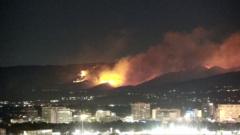
Nearly 90,000 residents in the vicinity of Reno, Nevada, were ordered to evacuate on June 17, 2024, as a wildfire rapidly advanced towards the city. The blaze, designated the "Boca Fire" by local authorities, had consumed approximately 10,500 acres by the evening of the evacuation order and was reported as completely uncontained. The Nevada National Guard was mobilized to assist local fire departments and emergency management agencies in managing the crisis, which included setting up evacuation centers and providing logistical support. The primary evacuation zones encompassed areas west and southwest of Reno, including parts of Spanish Springs and the Cold Springs Township, where the fire's unpredictable behavior and high winds posed a significant threat to residential areas. Emergency services established multiple evacuation centers at locations such as the Reno-Sparks Convention Center and the Damonte Ranch High School to accommodate displaced individuals and families. Officials cited extreme dry conditions, coupled with gusty winds exceeding 30 miles per hour, as major contributing factors to the fire's rapid spread and erratic movement. The Bureau of Land Management (BLM) and the U.S. Forest Service were also actively involved in firefighting efforts, deploying ground crews and aerial resources, including air tankers and helicopters, to combat the flames. The uncontained status of the fire meant that containment lines had not yet been established, and the full extent of its potential impact remained uncertain. The fire's proximity to a densely populated urban area presented a complex challenge for firefighters, requiring a coordinated response across multiple jurisdictions and agencies. The economic impact of the evacuations included potential disruptions to local businesses and infrastructure, though immediate damage assessments were ongoing. Authorities urged residents in affected areas to heed evacuation orders promptly and to stay informed through official channels, such as local news outlets and emergency alert systems. The incident highlighted the increasing risk of large-scale wildfires in the Western United States due to climate change and prolonged drought conditions. The Nevada Department of Transportation reported temporary closures of several state routes to facilitate emergency vehicle access and ensure public safety, further complicating evacuation routes for some residents. The number of structures threatened by the fire was estimated to be in the thousands, underscoring the urgency of the evacuation orders. The fire's origin was under investigation by the Washoe County Sheriff's Office and the U.S. Forest Service, with initial reports suggesting it may have started from a human-caused ignition, though no definitive cause had been publicly announced as of the evacuation order. The long-term implications for the region's air quality were also a concern, with smoke plumes visible for miles and contributing to unhealthy air conditions in Reno and surrounding communities. The response effort involved over 500 firefighters from various agencies, working in challenging terrain and weather conditions to protect lives and property. The scale of the evacuation, affecting nearly 90,000 people, marked one of the largest in the Reno area's history, reflecting the severity of the wildfire threat.
Original source — read the full reporting at the publisher:
Read on BBC World NewsGet the weekly AI digest
AI news + new model releases, weekly. Drafted by our agents, reviewed by humans.