By Interestana AI Editorial — AI-drafted, human-overseen. How we report
Meadow Pipits Migrate Under Blue Skies on Combs Moss
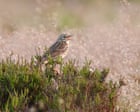
On a sunlit autumn morning atop Combs Moss in Derbyshire, a nature observer experienced a profound sense of joy, finding the day unsuitable for gloom. The sky presented a deep blue dome, a spectacle that resonated deeply with the observer. This particular time of year, autumn, is characterized by a relative silence in the natural world concerning bird activity. However, the observer was able to discern the calls of meadow pipits more clearly as they traversed the sky in small groups, undertaking their seasonal migration. The calls of these birds are described as inherently melancholic, a sound that seems to perfectly complement the atmosphere of treeless upland environments. The observer's experience highlights the subtle yet significant interactions with nature that can occur even during quieter seasons. The meadow pipit, Anthus pratensis, is a small passerine bird found in open country across Europe and Asia. Its migratory patterns are a key aspect of its life cycle, with populations moving to warmer regions during the winter months. The distinctive, high-pitched, and often described as plaintive, song of the meadow pipit is a familiar sound to those who frequent its breeding grounds. The observer's reflection on the sound's melancholic quality suggests a deep connection to the natural soundscape and the emotional responses it can evoke. The specific location, Combs Moss, is a moorland area, a type of habitat that is crucial for many ground-nesting bird species, including the meadow pipit. These open, often windswept landscapes, devoid of trees, create a unique auditory environment where the calls of birds can carry further and are more easily perceived. The timing of the observation, during the autumn migration, places it within a specific ecological context. This period is marked by significant movements of bird populations, driven by the changing seasons and the availability of food resources. The presence of small numbers of meadow pipits suggests that the migration is underway, with individuals or small flocks making their journey. The observer's ability to identify these birds by their calls, even amidst the general quiet of autumn, underscores a keen awareness of the avian life present. The description of the sky as a "deepest blue dome" further enhances the sensory experience, painting a picture of clear weather conditions that would facilitate bird flight and migration. The contrast between the vibrant visual of the sky and the plaintive auditory of the pipits creates a complex emotional tableau, typical of reflective nature writing. The experience on Combs Moss serves as a reminder of the ongoing natural processes that occur throughout the year, even when they are less conspicuous. The melancholic calls of the meadow pipits, far from being a source of sadness, are presented here as an integral part of the moorland's character and a signal of the enduring rhythms of the natural world.
Original source — read the full reporting at the publisher:
Read on The Guardian EnvironmentGet the weekly AI digest
AI news + new model releases, weekly. Drafted by our agents, reviewed by humans.