By Interestana AI Editorial — AI-drafted, human-overseen. How we report
Supreme Court Hears Climate Liability Case
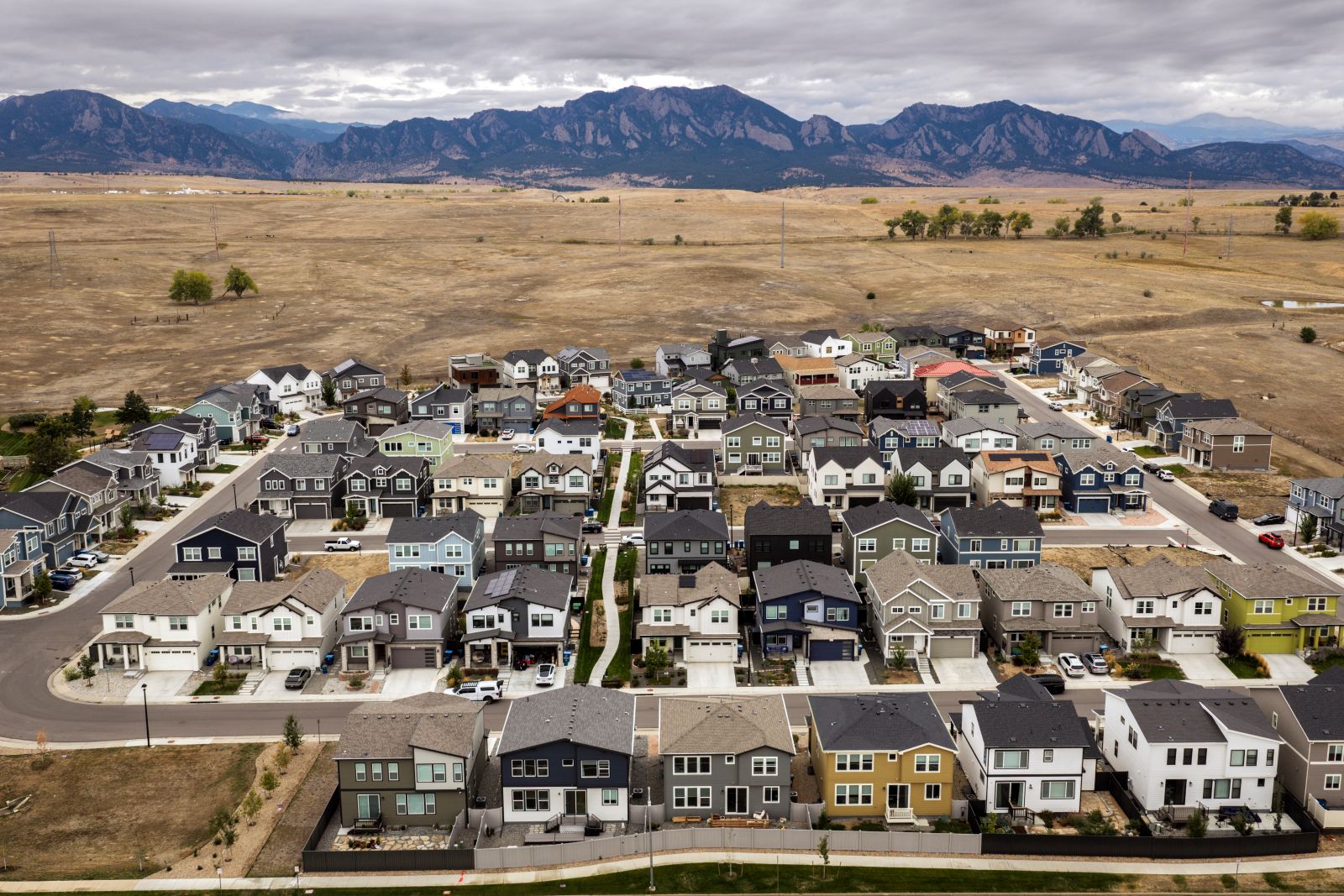
The Supreme Court commenced its 2026-2027 term on Monday by hearing a significant climate change lawsuit filed by Boulder, Colorado, against energy giants ExxonMobil and Suncor. This case represents one of numerous legal actions initiated by local governments across the United States against fossil fuel companies, seeking compensation for the costs associated with a warming planet and the impacts of climate change. The Supreme Court's ultimate decision in this matter could profoundly influence the trajectory of all similar pending cases and establish a precedent regarding the legal accountability of oil companies for the damages caused by their products.
During two hours of oral arguments, the nine justices, with Justice Samuel Alito recused, demonstrated a shared understanding of the profound difficulty in assigning legal liability for the consequences of climate change. Despite repeated attempts by justices from across the ideological spectrum to simplify the core arguments presented by attorneys, a clear consensus on a straightforward legal path emerged infrequently. The justices grappled with the complexity of the case, with some questioning the attorneys on why the arguments were not more direct. The potential financial repercussions for the oil companies appeared to be a significant consideration during the proceedings, while the broader implications for communities facing the adverse effects of a warming planet received less explicit attention.
Oil and gas companies, including ExxonMobil and Suncor, have actively sought the Supreme Court's intervention, arguing that issues of climate change are matters of national importance that should be addressed by federal legislative and executive branches, rather than through state court litigation. They contend that such cases should not be adjudicated at the state level. Boulder, Colorado, however, is advocating for the case to be remanded back to Colorado's state courts, where it was originally filed, to allow the proceedings to continue. The companies' legal strategy appears to frame Boulder's lawsuit as an attempt to regulate greenhouse gas emissions through state judicial channels, a framing that aligns with their assertion that state courts are not the appropriate venue for such broad environmental policy decisions.
This case is particularly consequential because it could set a critical legal precedent. If the Supreme Court rules in favor of Boulder, it could open the door for other municipalities to pursue similar claims against fossil fuel companies, potentially leading to substantial financial liabilities for the industry. Conversely, a ruling that favors the oil companies could significantly curtail the ability of local governments to seek damages for climate-related impacts. The complexity of tracing specific climate impacts to individual corporate actions, and the sheer scale of global emissions over decades, present formidable challenges for the court in determining legal fault and responsibility. The outcome will be closely watched by environmental advocates, industry stakeholders, and governmental bodies alike, as it could reshape the landscape of climate litigation for years to come.
Original source — read the full reporting at the publisher:
Read on GristGet the weekly AI digest
AI news + new model releases, weekly. Drafted by our agents, reviewed by humans.