By Interestana AI Editorial — AI-drafted, human-overseen. How we report
Boston Fairmount Line to Electrify with Battery Trains
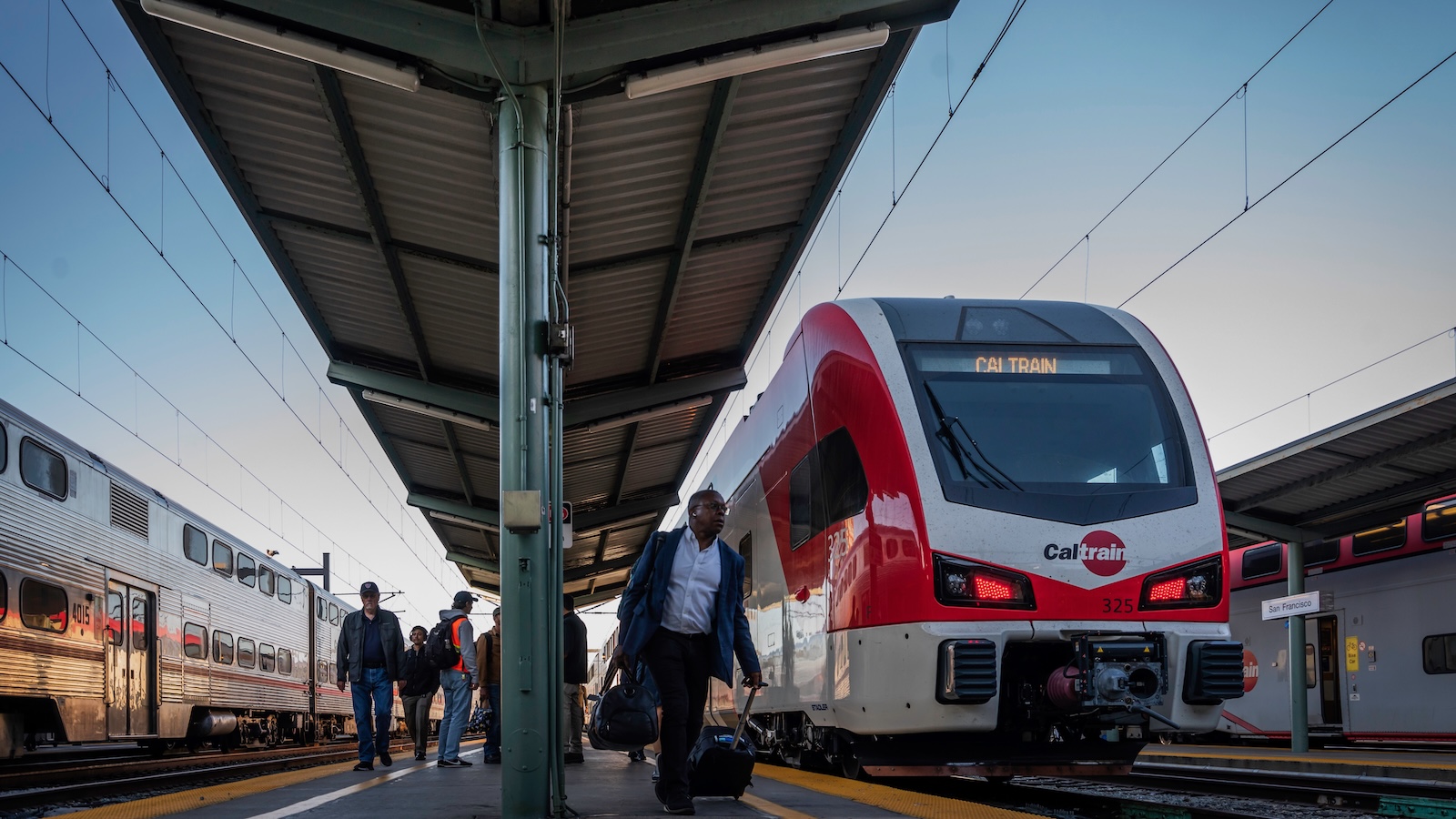
The Massachusetts Bay Transportation Authority (MBTA), commonly known as the T, is planning to electrify its Fairmount Line in Boston, a move driven by decades of advocacy for improved and cleaner public transit. This initiative aims to replace diesel trains with battery-powered electric trains, a decision influenced by community pressure and a desire to reduce air pollution. Marvin Martin, a long-time transit advocate and former head of Action For Equity, was instrumental in this push, recalling a moment in 1995 when he observed the Fairmount Line train filled with predominantly white passengers while his own community of color was underserved. His advocacy, along with others, led to the addition of three new stops in Dorchester between 2012 and 2013, and a fourth in Mattapan in 2019, expanding access to the commuter rail line.
Nearly three decades after Martin's initial observations, the T has committed to electrifying the Fairmount Line. The agency will lease seven four-car battery-powered trains for a period of 15 years, with an estimated cost of $765 million. This leasing arrangement is designed to allow the MBTA to gain practical experience with battery-train technology before potentially implementing it more broadly across its network. The new trains, manufactured by the Swiss company Stadler, are scheduled to be in service by 2030. This electrification project is projected to significantly enhance service frequency along the 10-mile route, increasing train departures from every 30 minutes to every 20 minutes. Furthermore, the transition is expected to yield substantial environmental benefits, with an estimated annual reduction of 17,700 tons of carbon dioxide emissions compared to the current diesel operations.
Battery-powered trains offer a compelling alternative for transit agencies seeking to electrify their lines without the substantial costs and complexities associated with installing traditional overhead power lines, known as catenary systems. This approach allows for a more streamlined electrification process. However, the adoption of this technology is not without its considerations. Some industry observers and transit experts have raised concerns regarding the unproven nature of battery-train technology on lines that experience ridership levels comparable to those of the Fairmount Line. The performance and reliability of these trains under such conditions will be a key factor in evaluating the success of this pilot program. The MBTA's decision to proceed with the lease signifies a significant step towards modernizing its infrastructure and addressing environmental concerns, while also serving as a test case for wider adoption of battery-electric rail technology in urban transit systems.
Original source — read the full reporting at the publisher:
Read on GristGet the weekly AI digest
AI news + new model releases, weekly. Drafted by our agents, reviewed by humans.