By Interestana AI Editorial — AI-drafted, human-overseen. How we report
American Crayfish Invade Europe, Threatening Ecosystems
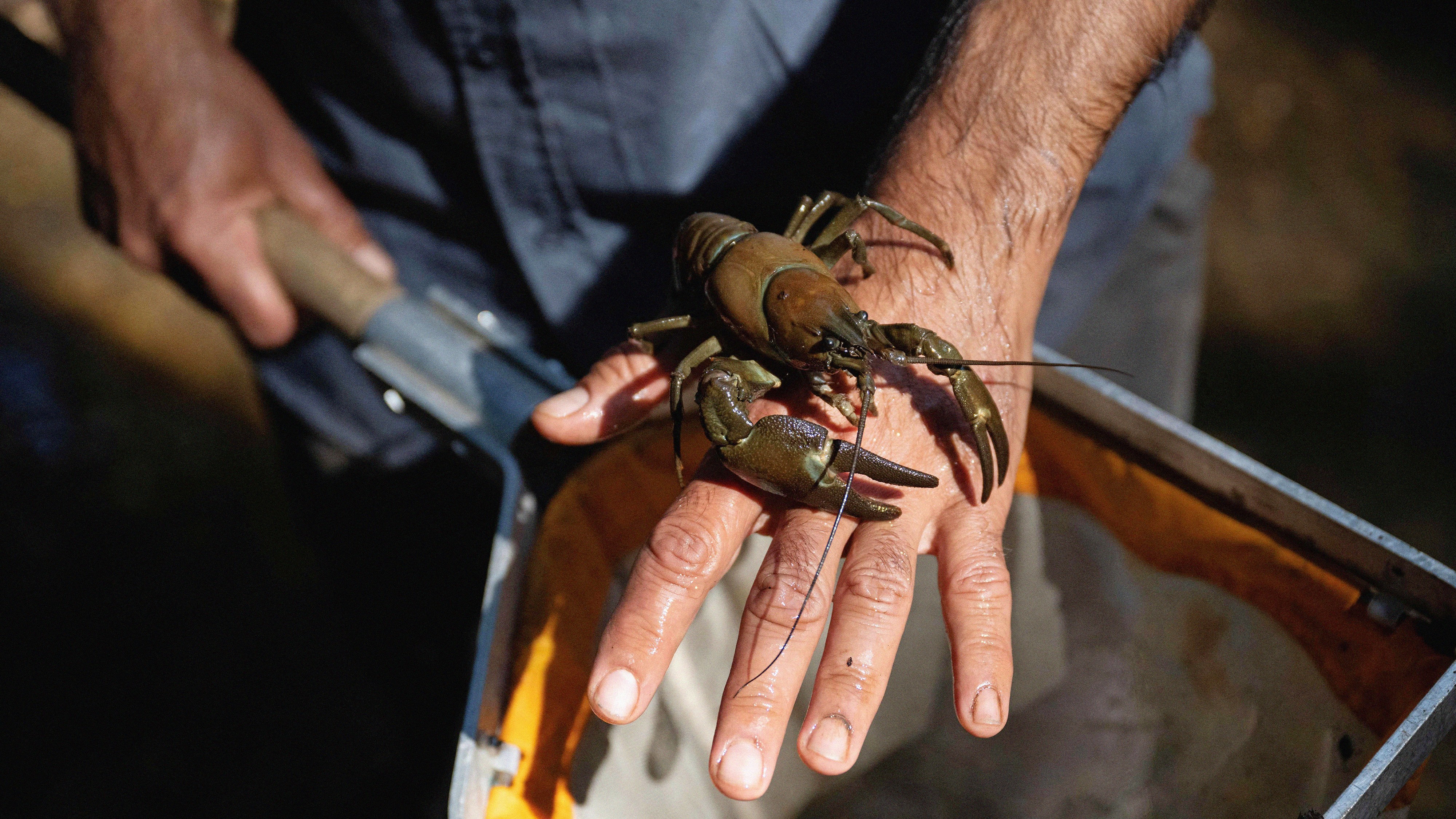
American crayfish species, primarily the rusty crayfish (Faxonius virilis) and the signal crayfish (Pacifastacus leniusculus), have established invasive populations across numerous European countries, posing a substantial threat to native aquatic ecosystems. These non-native crustaceans were introduced through various means, including the aquarium trade, accidental releases from research facilities, and intentional stocking for aquaculture and sport fishing. Their aggressive nature, rapid reproduction rates, and broad dietary habits allow them to outcompete native species for food and habitat, leading to significant declines in native crayfish populations and other aquatic organisms.
The ecological impact of these invasive crayfish is multifaceted. They are known to consume large quantities of aquatic vegetation, altering habitat structure and reducing food availability for native fish and invertebrates. Furthermore, their burrowing activities can destabilize riverbanks, leading to increased erosion and sedimentation, which degrades water quality. A particularly concerning aspect of their invasion is their role as vectors for the crayfish plague (Aphanomyces astaci), a devastating fungal disease to which European native crayfish have no immunity, while American species are often resistant. This disease has already caused mass mortality events in native European crayfish populations, exacerbating the pressure from direct competition.
Efforts to control and eradicate invasive crayfish populations in Europe have proven challenging and often unsuccessful due to the scale of the problem and the difficulty in accessing infested waterways. Management strategies typically involve a combination of physical removal, trapping, and in some cases, the use of biological controls, though the latter is often controversial. Public awareness campaigns are also crucial to prevent further introductions and spread, particularly concerning the illegal release of pet crayfish or the transport of contaminated equipment between water bodies. The economic implications are also significant, affecting fisheries, tourism, and the cost of ecosystem restoration.
In the Netherlands, specifically, the presence of American crayfish has prompted discussions about potential solutions, including encouraging local consumption. However, cultural barriers and a lack of established culinary traditions surrounding crayfish consumption present a hurdle. The challenge lies not only in the ecological and economic impacts but also in shifting public perception and developing sustainable management plans that address the complex interplay of biological, environmental, and societal factors. The continued spread of these invasive species underscores the need for robust biosecurity measures and international cooperation to protect Europe's freshwater biodiversity.
Original source — read the full reporting at the publisher:
Read on The AtlanticGet the weekly AI digest
AI news + new model releases, weekly. Drafted by our agents, reviewed by humans.