By Interestana AI Editorial — AI-drafted, human-overseen. How we report
UN Fish Farm Expansion Risks Ecosystems, Experts Warn
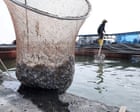
The United Nations' Food and Agriculture Organization (FAO) has outlined ambitious plans to increase aquaculture production by 75% by the year 2040. This significant expansion of fish farming operations, however, has raised serious concerns among environmental experts and scientists regarding its potential impact on global ecosystems and food security. A recent report indicates that if these expansion plans proceed as envisioned, nearly half of the world's current wild fish catch could be processed into feed for farmed fish. This practice, often referred to as "fishmeal" or "fish oil," diverts wild-caught fish away from direct human consumption and into the aquaculture supply chain.
Experts argue that the reliance on wild-caught fish for aquaculture feed is an "absurd" and unsustainable model. The process involves grinding up smaller wild fish, such as anchovies and sardines, to create nutrient-rich feed pellets for larger farmed species like salmon, shrimp, and sea bass. This demand places immense pressure on wild fish populations, many of which are already facing overfishing and are crucial components of marine food webs. The potential depletion of these forage fish stocks could have cascading negative effects throughout marine ecosystems, impacting seabirds, marine mammals, and larger predatory fish that rely on them for survival.
Furthermore, the proposed expansion of fish farming raises significant concerns for vulnerable coastal communities that depend on wild fisheries for their livelihoods and food sources. The diversion of wild fish catch to aquaculture feed could reduce the availability of these fish for artisanal fishing communities, potentially leading to food insecurity and economic hardship. Critics of the FAO's plan emphasize that a truly sustainable aquaculture model should focus on reducing reliance on wild fish for feed and instead explore alternative, plant-based, or insect-based protein sources. The report highlights the irony of expanding fish farming, often promoted as a solution to overfishing, by exacerbating pressure on wild fish stocks.
The FAO's target to increase aquaculture production by 75% by 2040 signifies a global effort to meet the growing demand for seafood as wild fisheries reach their limits. However, the methodology proposed, which heavily relies on wild-caught fish as feed, is being scrutinized for its ecological footprint. The report suggests that without a fundamental shift in feed sourcing and a more holistic approach to marine resource management, the expansion of fish farming could inadvertently lead to the collapse of both wild fisheries and the marine environments they inhabit. This necessitates a re-evaluation of current aquaculture practices and a greater investment in research and development for sustainable feed alternatives.
Original source — read the full reporting at the publisher:
Read on The Guardian EnvironmentGet the weekly AI digest
AI news + new model releases, weekly. Drafted by our agents, reviewed by humans.