By Interestana AI Editorial — AI-drafted, human-overseen. How we report
Tropical Mosquitoes Found Breeding in East London Homes
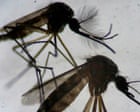
An invasive mosquito species, identified as Aedes aegypti, has been discovered breeding within residential properties in east London, marking the first instance of this mosquito establishing a breeding population in the United Kingdom. This detection represents the fourth time the species has been identified within the UK. Experts have issued warnings that the ongoing climate crisis, characterized by a rapidly warming global climate, is likely to facilitate increased incursions of such invasive mosquito species into new territories. Aedes aegypti is a significant vector for several tropical diseases, including the Zika virus and dengue fever, posing a potential public health concern should it establish a widespread presence. The presence of this mosquito in London underscores the potential impact of climate change on biodiversity and disease transmission patterns in temperate regions. Previously, detections of Aedes aegypti in the UK have been isolated, with no evidence of established breeding populations. The current finding in east London suggests a shift from mere detection to potential establishment, a development that warrants close monitoring by public health authorities and entomologists. The ability of Aedes aegypti to breed in domestic environments, such as water-filled containers in homes and gardens, makes it particularly challenging to control once established. Its adaptation to urban settings further exacerbates the risk of human exposure. The scientific community has long predicted that rising global temperatures would allow tropical species to expand their geographical ranges, and this finding in London aligns with those predictions. The implications extend beyond the immediate area, as successful establishment in one urban center could facilitate further spread across the UK and potentially into other parts of Europe. Public health agencies will likely need to implement enhanced surveillance programs and public awareness campaigns to mitigate the risks associated with this invasive species. Understanding the specific environmental conditions in east London that have allowed for successful breeding is crucial for predicting future spread and developing effective control strategies. The long-term impact on public health infrastructure and the potential for disease outbreaks will depend on the success of containment efforts and the mosquito's ability to adapt to the local climate over successive generations. This event serves as a tangible example of how climate change can directly influence the introduction and establishment of non-native species with significant ecological and health implications.
Original source — read the full reporting at the publisher:
Read on The Guardian WorldGet the weekly AI digest
AI news + new model releases, weekly. Drafted by our agents, reviewed by humans.