By Interestana AI Editorial — AI-drafted, human-overseen. How we report
Iguazú Falls Water Levels Surge Fivefold Amidst Heavy Rains, El Niño Suspected
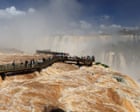
Water levels at the iconic Iguazú Falls, a UNESCO World Heritage site straddling the border of Brazil and Argentina, have surged to an astonishing five times their average volume. This dramatic escalation is a direct consequence of exceptionally heavy rainfall experienced in the region. Despite the immense power and volume of water cascading over the falls, the Iguazú National Park has remained open to the public, albeit with a stringent safety protocol implemented to ensure the well-being of all visitors. The park's biologist and sustainability manager has suggested that the current extraordinary water levels may be influenced by the El Niño phenomenon. El Niño is a naturally occurring climate pattern characterized by the warming of sea surface temperatures in the central and eastern equatorial Pacific Ocean. This warming disrupts atmospheric circulation patterns globally, often leading to significant alterations in weather, including increased precipitation in some parts of the world and drought in others. The magnitude of the current water flow at Iguazú Falls strongly suggests a substantial impact from this climatic event or other related meteorological systems. Iguazú Falls itself is a breathtaking spectacle, comprising approximately 275 individual cascades spread across a horseshoe-shaped cliff face stretching 2.7 kilometers. It is one of South America's most significant tourist attractions, drawing millions of visitors annually who come to witness its grandeur. The flow rate of the Iguazú River, which feeds the falls, is typically measured in cubic meters per second, with average volumes fluctuating seasonally. A fivefold increase signifies an exceptionally high discharge, potentially overwhelming the usual river channels and contributing to the awe-inspiring display. The decision by the park authorities to maintain operations, coupled with the necessary safety measures, reflects a careful balance between allowing the public to experience this rare natural event and prioritizing visitor safety. The sustainability manager's observation underscores the critical link between localized weather events and broader global climate patterns, highlighting the ongoing importance of monitoring and understanding these complex interactions. Further meteorological analysis will be crucial to definitively ascertain the precise extent of El Niño's contribution to this specific surge. The continued accessibility and operational status of the park will undoubtedly depend on the duration and intensity of the prevailing heavy rainfall and the subsequent water levels.
Original source — read the full reporting at the publisher:
Read on The Guardian EnvironmentGet the weekly AI digest
AI news + new model releases, weekly. Drafted by our agents, reviewed by humans.