By Interestana AI Editorial — AI-drafted, human-overseen. How we report
Zurich Airport Deploys L4 Autonomous Shuttles Unmonitored
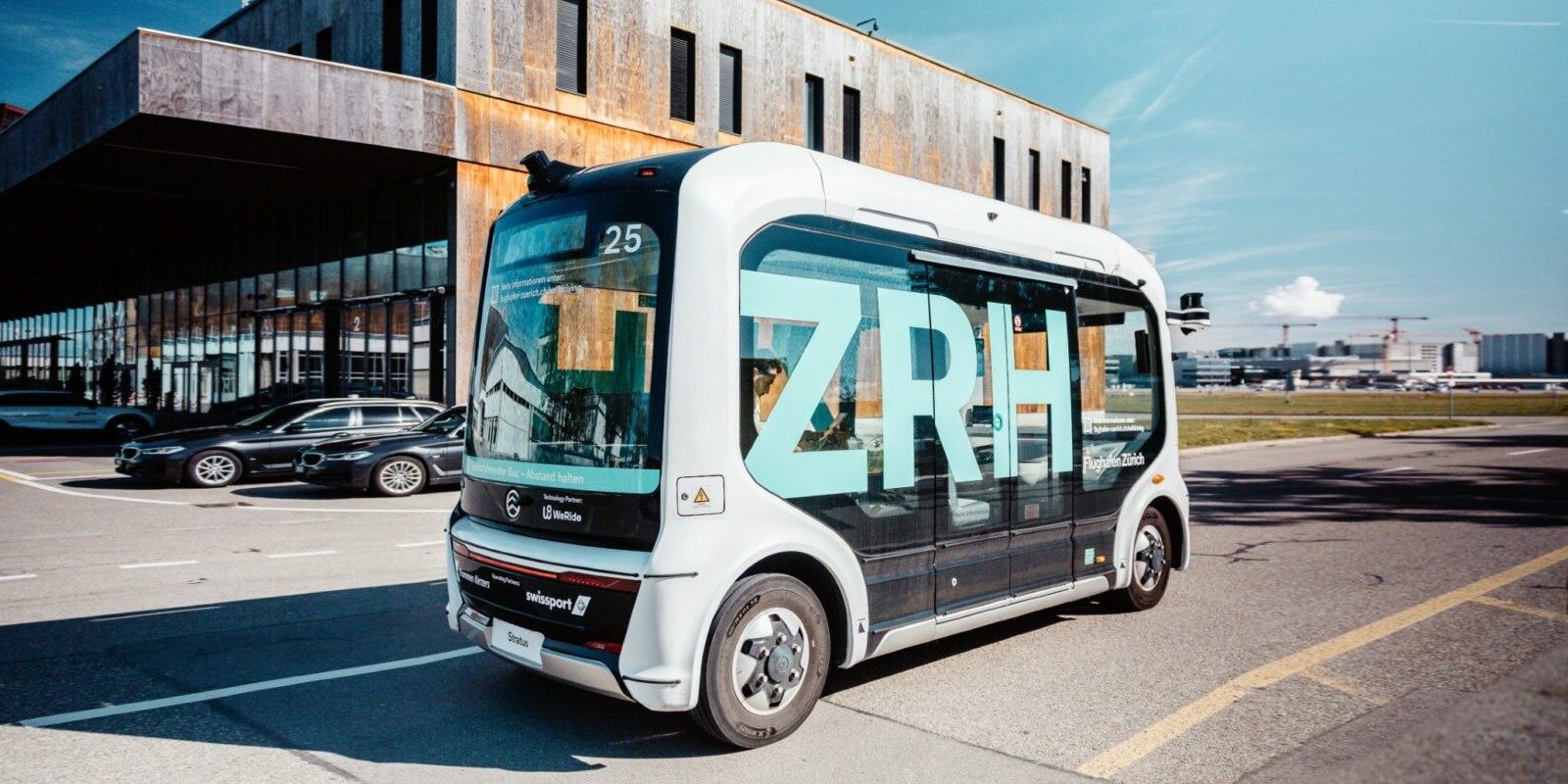
Zürich Airport has initiated a pilot program featuring two fully automated electric shuttle buses operating on its grounds, a development that positions the airport as a pioneer in testing Level 4 (L4) autonomous vehicle technology in a live operational setting within Europe. A key distinction of this deployment is that the self-driving vehicles are functioning without any human safety monitor onboard, signifying a notable advancement in the real-world application of autonomous transport. This initiative represents a significant step towards integrating autonomous mobility solutions into the complex environment of a major international airport.
The L4 autonomy designation indicates that the vehicles are capable of handling all driving tasks under specific operational design domains (ODDs), meaning they can operate without human intervention within defined conditions, such as the designated routes and speed limits at Zürich Airport. The decision to operate without a safety monitor underscores the confidence in the technology's reliability and safety protocols developed for this specific deployment. This testing phase is crucial for gathering data on performance, passenger experience, and operational efficiency in a high-traffic, dynamic environment like an airport, which involves frequent interactions with other vehicles, pedestrians, and infrastructure.
This deployment at Zürich Airport is part of a broader trend towards exploring and implementing autonomous solutions in various sectors, including public transportation and logistics. Airports, with their controlled yet complex environments, present an ideal testing ground for such technologies. The successful operation of these shuttles without human oversight could pave the way for wider adoption of similar systems at other airports globally, potentially improving passenger flow, reducing operational costs, and enhancing overall efficiency. The data collected from this pilot is expected to inform future developments and regulatory frameworks for autonomous vehicles in similar public spaces.
The electric nature of the shuttle buses also aligns with growing global efforts to promote sustainable transportation solutions. By utilizing electric power, the airport aims to reduce its carbon footprint and contribute to a cleaner environment. The integration of these autonomous shuttles is anticipated to offer a seamless and convenient travel experience for passengers navigating the airport premises, particularly for those needing to travel between terminals or to parking areas. The project's success hinges on rigorous testing and validation, ensuring that the autonomous system can safely and reliably manage all potential scenarios encountered during operation.
Original source — read the full reporting at the publisher:
Read on ElectrekGet the weekly AI digest
AI news + new model releases, weekly. Drafted by our agents, reviewed by humans.