By Interestana AI Editorial — AI-drafted, human-overseen. How we report
Fed Rate Hikes Won't Lower Gas Prices, Bond Market Pushes
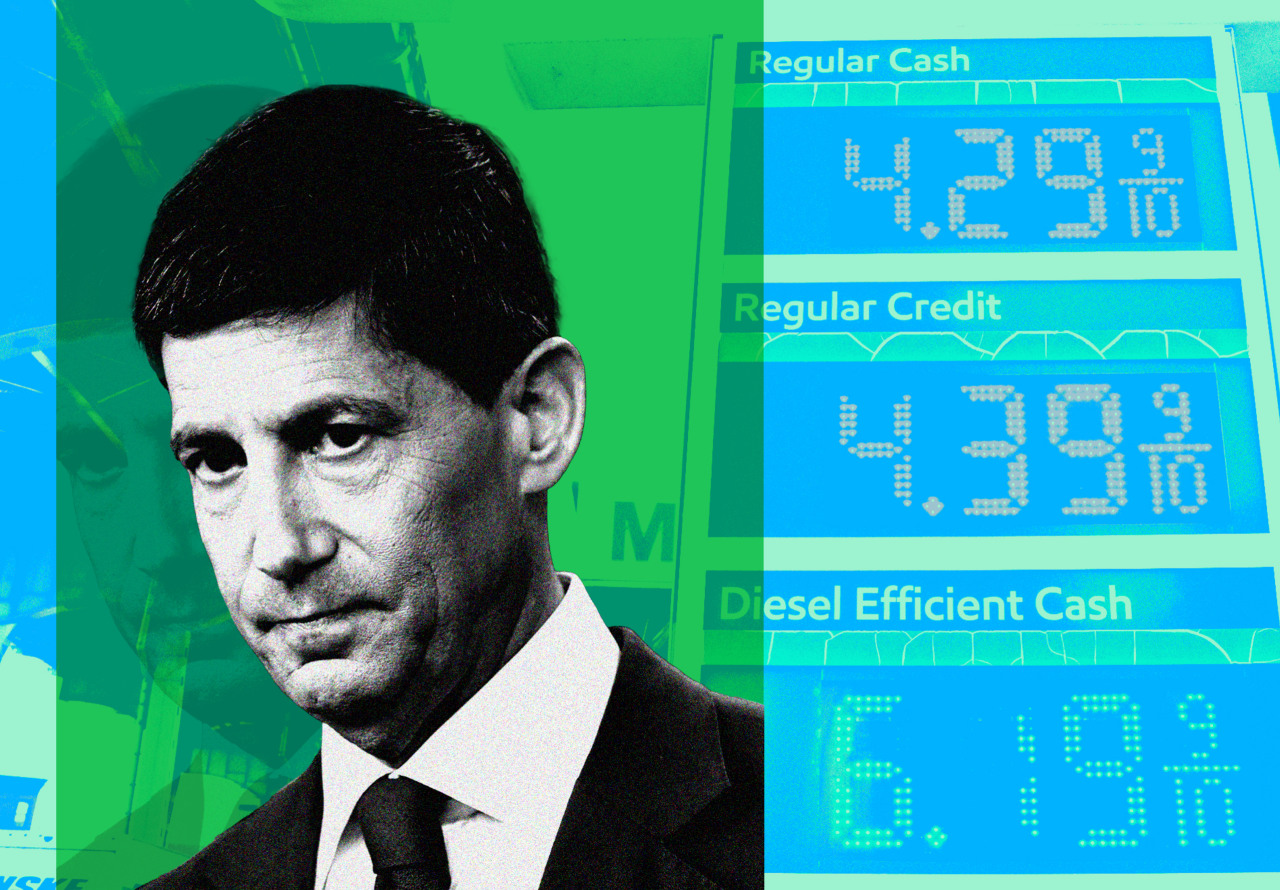
The 10-year Treasury yield has approached 5%, signaling a potential warning for the stock market. This development occurs against a backdrop where the Federal Reserve's monetary policy, specifically interest rate adjustments, is unlikely to significantly influence the price of gasoline. The Federal Reserve, led by Chair Jerome Powell, has been navigating a complex economic environment, balancing inflation concerns with the need to avoid triggering a recession. While the central bank has the authority to adjust the federal funds rate, which influences borrowing costs across the economy, its direct impact on global oil prices is limited. Gasoline prices are primarily determined by global supply and demand dynamics, geopolitical events affecting oil-producing regions, and the refining capacity of crude oil into usable fuel. Factors such as production levels by OPEC+ nations, strategic petroleum reserve releases, and international conflicts can cause more immediate and substantial price fluctuations at the pump than domestic interest rate policy.
Despite this disconnect, the bond market appears to be pushing for continued interest rate hikes. This stance from bond investors suggests a focus on broader inflation control and economic stability, even if it doesn't directly address energy costs. High Treasury yields can be an indicator of investor expectations for future inflation and economic growth, or they can reflect increased demand for safe-haven assets during times of uncertainty. When yields rise, it typically means that the price of existing bonds is falling, as new bonds are issued with higher coupon rates to attract investors. This can make borrowing more expensive for corporations and consumers, potentially slowing down economic activity. The Federal Reserve monitors various economic indicators, including inflation rates, employment figures, and consumer spending, to inform its monetary policy decisions. The current inflation rate, while showing signs of moderation, remains a key concern for policymakers.
The bond market's inclination towards higher rates might stem from a belief that tighter monetary policy is necessary to cool down an overheating economy and prevent inflation from becoming entrenched. Investors in the bond market are often sensitive to inflation, as it erodes the purchasing power of fixed-income payments. Therefore, they may favor policies that are perceived as more aggressive in combating price increases, even if those policies have indirect or delayed effects on specific commodities like gasoline. The Federal Reserve's dual mandate includes maintaining price stability and maximizing employment. The tension between these objectives, particularly when inflation is elevated, often leads to difficult policy choices. The current economic climate presents a challenge, with some sectors experiencing robust growth while others show signs of strain. The Federal Reserve's communication and actions are closely watched by markets and economists for clues about the future direction of interest rates and the broader economy. The interplay between fiscal policy, monetary policy, and global economic forces creates a dynamic and often unpredictable landscape for consumers and businesses alike.
Original source — read the full reporting at the publisher:
Read on MarketWatchGet the weekly AI digest
AI news + new model releases, weekly. Drafted by our agents, reviewed by humans.