By Interestana AI Editorial — AI-drafted, human-overseen. How we report
Microsoft's Data Centers Embrace Nature: Integrating Ecosystems and Community Spaces
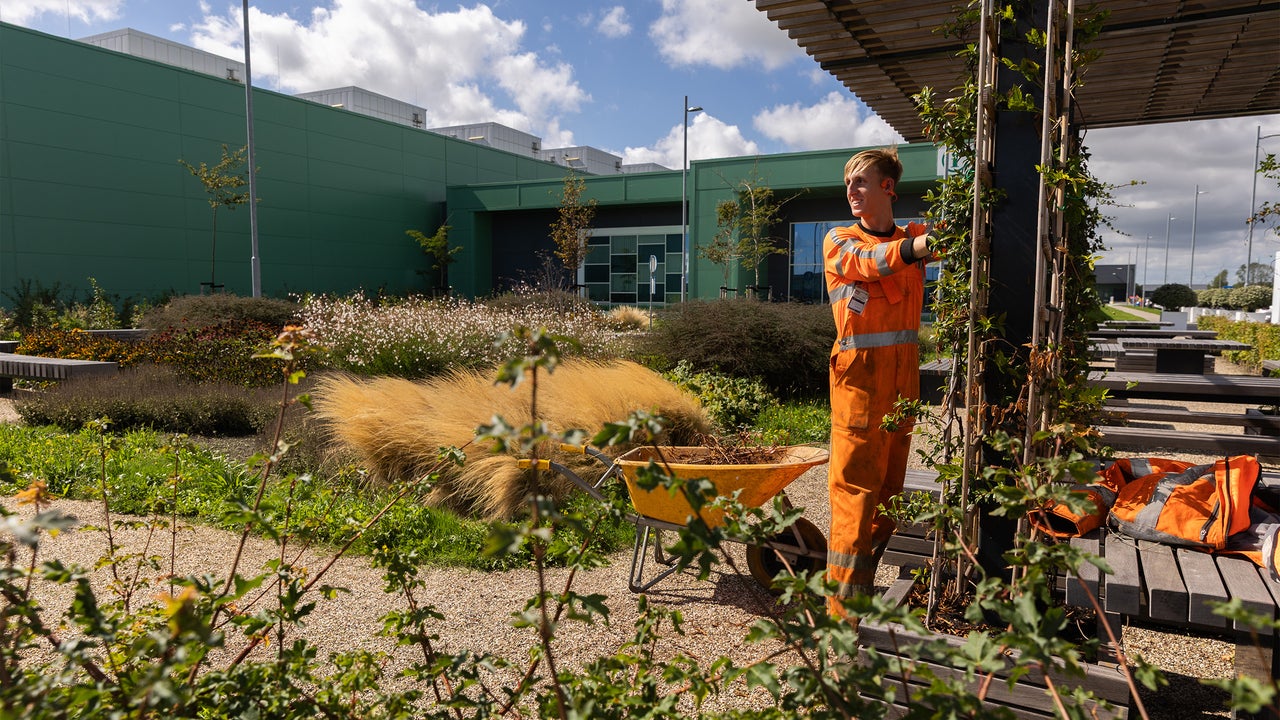
Microsoft is actively redefining the environmental narrative surrounding its data center infrastructure by adopting a "nature-forward, nature-positive" strategy for the land encompassing its new projects. This initiative mandates the integration of comprehensive landscape design and significant ecosystem creation and restoration efforts into every new data center built within the United States, with select international projects also included. This approach directly addresses the growing public and governmental opposition to data centers, which frequently stems from concerns over their substantial environmental footprint. These massive facilities are notorious for their high consumption of land, energy, and water, and have also been the source of noise pollution, leading to community pushback and legal disputes.
Kaitlin Chuzi, Microsoft's director of global land strategy, articulates the core philosophy behind this program: "We are taking a nature-forward, nature-positive approach to how we steward the land where our data centers sit." The overarching goal, as she explains, is to "blurring the line between nature and technology," ensuring that these critical technological hubs not only coexist with their surroundings but actively contribute to their betterment. This is a departure from the traditional perception of data centers as purely industrial, resource-intensive installations.
More than twenty of Microsoft's existing data center projects already showcase these ecological commitments. These efforts involve the deliberate planting of native flora, the establishment and enhancement of habitats designed to support local wildlife, and the creation of accessible natural areas intended for the enjoyment and use of surrounding communities. The scale of these projects can be substantial, with some initiatives yielding dozens of acres of newly created wildlife habitat, the development of miles of public hiking trails, and the successful restoration of degraded waterways. This multifaceted approach aims to transform the public perception of data centers, shifting the narrative from one of environmental burden to one of ecological contribution and community benefit.
The urgency of such initiatives is underscored by the projected surge in data center power demands. It is anticipated that these demands will more than double between 2025 and 2027, a trend driven by the accelerating adoption of artificial intelligence and cloud computing services. While even these extensive ecosystem improvements may not entirely offset the inherent environmental costs associated with the construction and operation of contemporary data centers, Microsoft's program represents a significant and proactive step by a leading technology corporation. It signals a growing awareness and a tangible commitment to mitigating negative environmental impacts and fostering a more harmonious integration of technological infrastructure with the natural world, aiming to leave landscapes and communities in an improved state.
Original source — read the full reporting at the publisher:
Read on Fast CompanyGet the weekly AI digest
AI news + new model releases, weekly. Drafted by our agents, reviewed by humans.