By Interestana AI Editorial — AI-drafted, human-overseen. How we report
Elderly Woman's Severe Fall Down Basement Stairs Leads to Critical Pleural Effusion, Underscoring Home Safety Risks
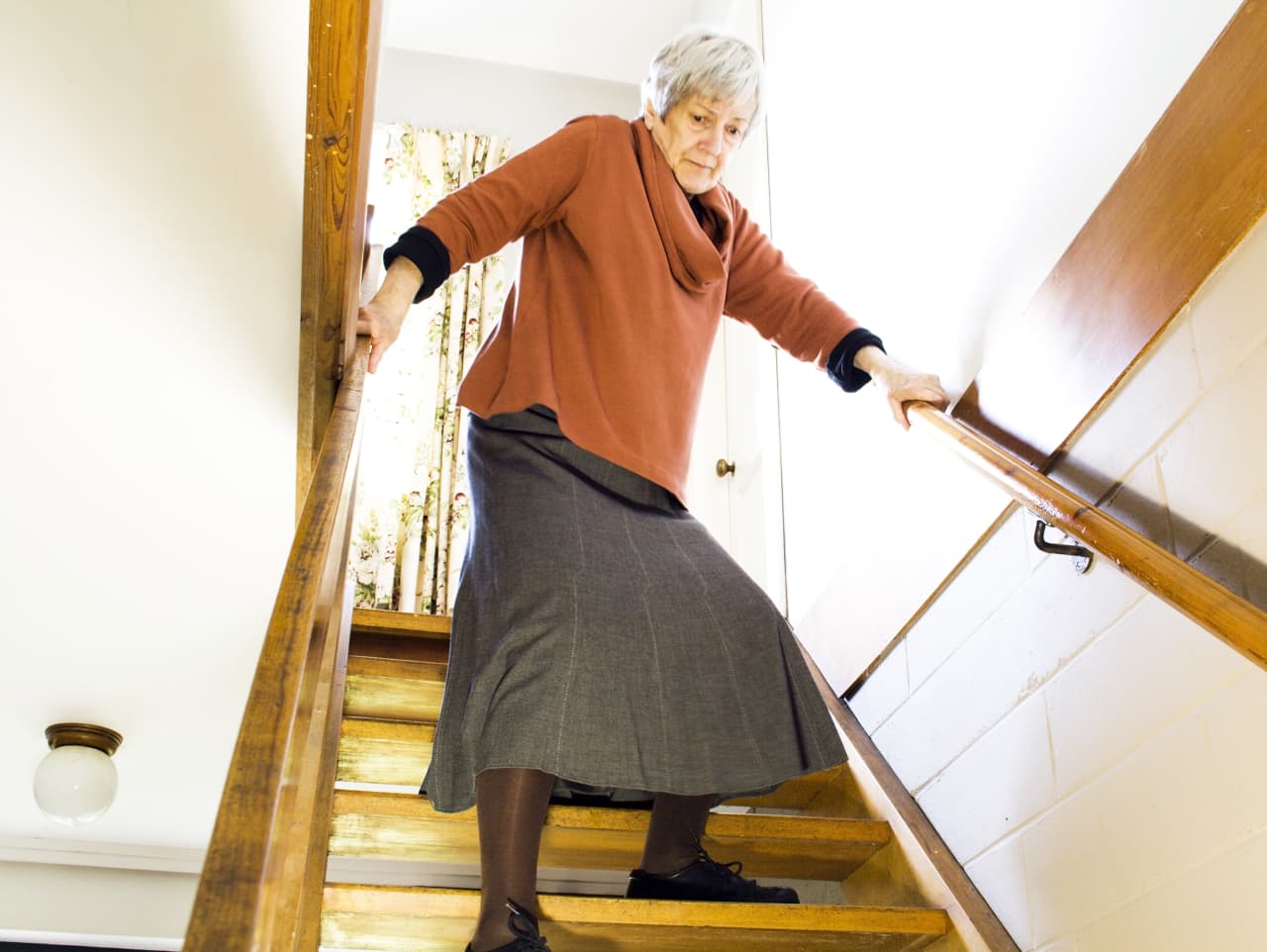
An 80-year-old woman suffered a severe fall down her basement stairs, an incident that has brought to light the critical dangers associated with home environments, particularly for the elderly. The fall led to the development of pleural effusion, a serious medical condition where fluid accumulates in the space between the lungs and the chest wall. This effusion exerted pressure on her lungs, severely compromising her respiratory function and making it exceedingly difficult to breathe. A friend of the woman described the pain experienced as "excruciating," underscoring the profound physical trauma inflicted by the accident. While the precise details of the fall, such as the condition of the stairs or any specific contributing factors, were not elaborated upon, the gravity of the resulting medical complication strongly suggests a hazardous environment. Basement stairs, in general, are often designed with steeper pitches, narrower treads, and less consistent illumination compared to more frequently used staircases in a home, thereby presenting a heightened risk. For older adults, these inherent risks are significantly amplified due to common age-related physiological changes. These can include a natural decline in muscle strength, diminished balance, and impaired vision, all of which can increase the likelihood of a fall. Falls among the elderly are a leading cause of serious injury, frequently resulting in fractures, traumatic brain injuries, and other severe health issues that can precipitate a loss of independence and a marked decrease in overall quality of life. Consequently, the implementation of robust preventative measures for home safety is paramount, especially for individuals who may have mobility challenges or are experiencing age-related vulnerabilities. Such measures should encompass ensuring that all stairways are adequately illuminated, installing secure and sturdy handrails on both sides of staircases, and maintaining clear, unobstructed pathways. The incorporation of non-slip treads or carpeting can also significantly enhance traction and reduce the risk of slips. For individuals who face substantial balance issues, the consideration of assistive devices, such as stairlifts, may be a prudent and effective solution. Furthermore, regular home safety assessments, particularly for older residents, are invaluable in identifying and mitigating potential hazards before they can lead to accidents. This incident serves as a potent and sobering reminder that even the most familiar domestic settings can harbor unseen dangers, necessitating a proactive and vigilant approach to safety considerations to avert severe injuries and to safeguard the well-being of all occupants, especially the most vulnerable.
Original source — read the full reporting at the publisher:
Read on MarketWatchGet the weekly AI digest
AI news + new model releases, weekly. Drafted by our agents, reviewed by humans.