By Interestana AI Editorial — AI-drafted, human-overseen. How we report
Summer 2023 Shatters Heat Records Across Contiguous U.S., Exacerbated by Climate Change
Meteorological summer, encompassing June through August 2023, has been officially declared the hottest on record for the contiguous United States by the National Oceanic and Atmospheric Administration (NOAA). This recent period of extreme heat surpassed the previous record holders, 1936 and 2021, by a notable margin of 0.4 degrees Fahrenheit. When contextualized against the average temperatures observed throughout the entire 20th century, this summer proved to be a staggering 3 degrees Fahrenheit hotter. The month of August 2023, in particular, saw temperatures escalate even further, averaging 3.5 degrees Fahrenheit above the long-term 20th-century norm. This intense heat was not confined to the United States; Europe has been enduring a relentless series of heat waves, which have tragically resulted in the deaths of over 25,000 people across the continent this year alone. While the sun's natural cycles have always influenced Earth's climate, scientific consensus points to human-driven climate change as a significant accelerant of these extreme events.
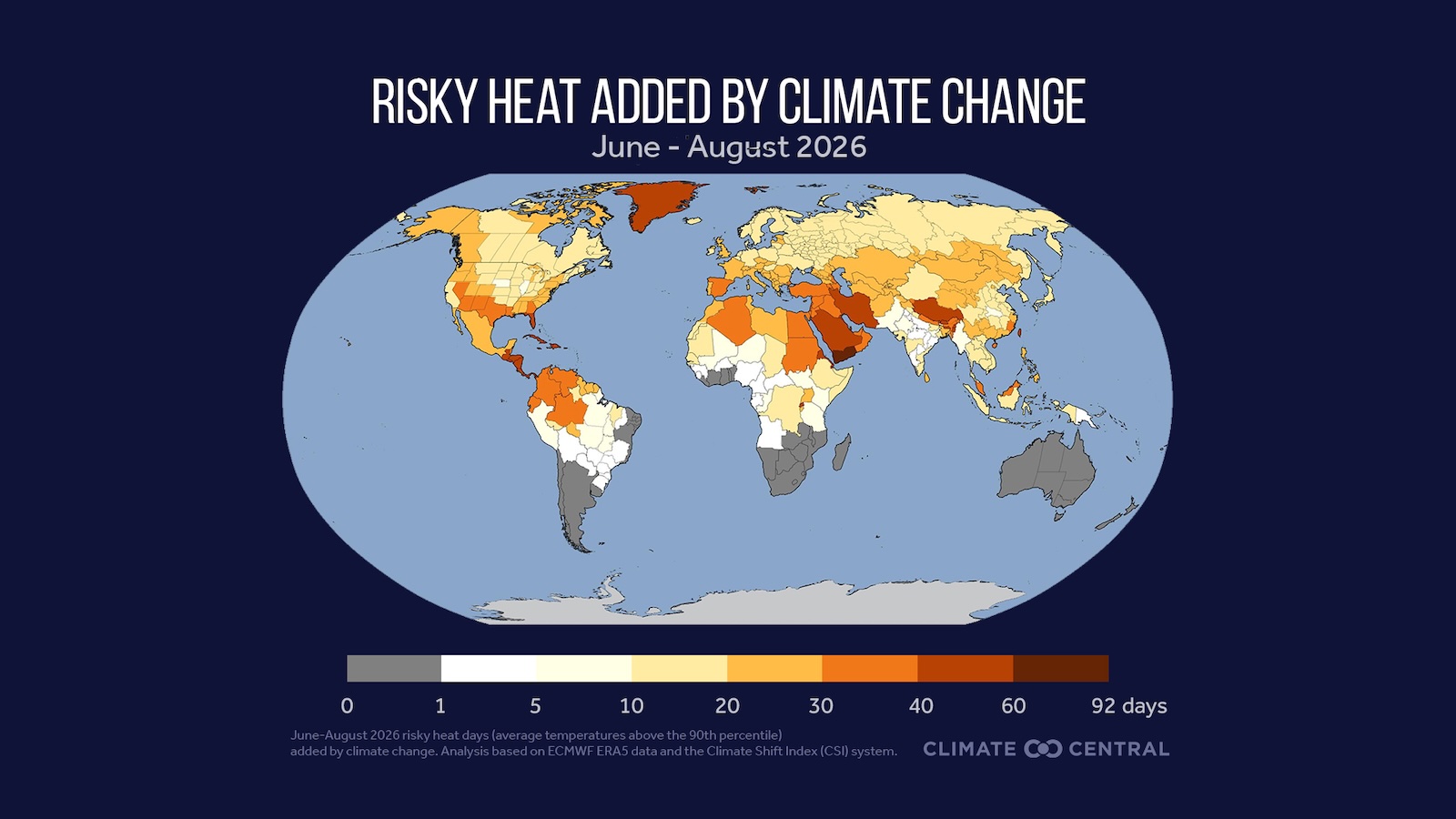
Further analysis from the research group Climate Central underscores the widespread impact of this heat. Their findings indicate that a substantial 293 million Americans, representing 86 percent of the nation's population, endured at least 30 days characterized by "risky heat." This designation signifies days that were hotter than 90 percent of previous days recorded for a specific geographic area, highlighting a significant deviation from historical norms. The situation was even more pronounced in Asia, where an estimated 2.8 billion people faced similar exposure to dangerously high temperatures. Globally, the data reveals a stark pattern: seven of the top 10 countries experiencing the most unusually hot conditions were located in Europe, a continent identified as the fastest-warming on Earth. Kristina Dahl, vice president for science at Climate Central, described these figures as "mind-boggling," emphasizing the severe public health implications. Extreme heat, she noted, can independently trigger serious health problems and critically exacerbate a wide range of pre-existing medical conditions.
The Climate Central report also quantified the average American's experience, revealing approximately 26 days during the summer where temperatures were demonstrably influenced by climate change. However, the burden of this extreme heat was not evenly distributed. Four of the five states that recorded the highest number of "risky heat" days were situated in the western United States: New Mexico, Nevada, Colorado, and Utah. Colorado, in particular, experienced summer temperatures that were an alarming 4.4 degrees Fahrenheit above its historical average. Utah and Nevada closely followed, with both states registering temperatures 3.8 degrees Fahrenheit above their respective norms. Despite these significant impacts within the U.S., Europe continues to be recognized as the continent grappling with the most rapid rate of warming, underscoring the global nature of this escalating climate crisis.
Original source — read the full reporting at the publisher:
Read on GristGet the weekly AI digest
AI news + new model releases, weekly. Drafted by our agents, reviewed by humans.