By Interestana AI Editorial — AI-drafted, human-overseen. How we report
El Niño 2026 Crosses Super Threshold Ahead of Hurricane Season
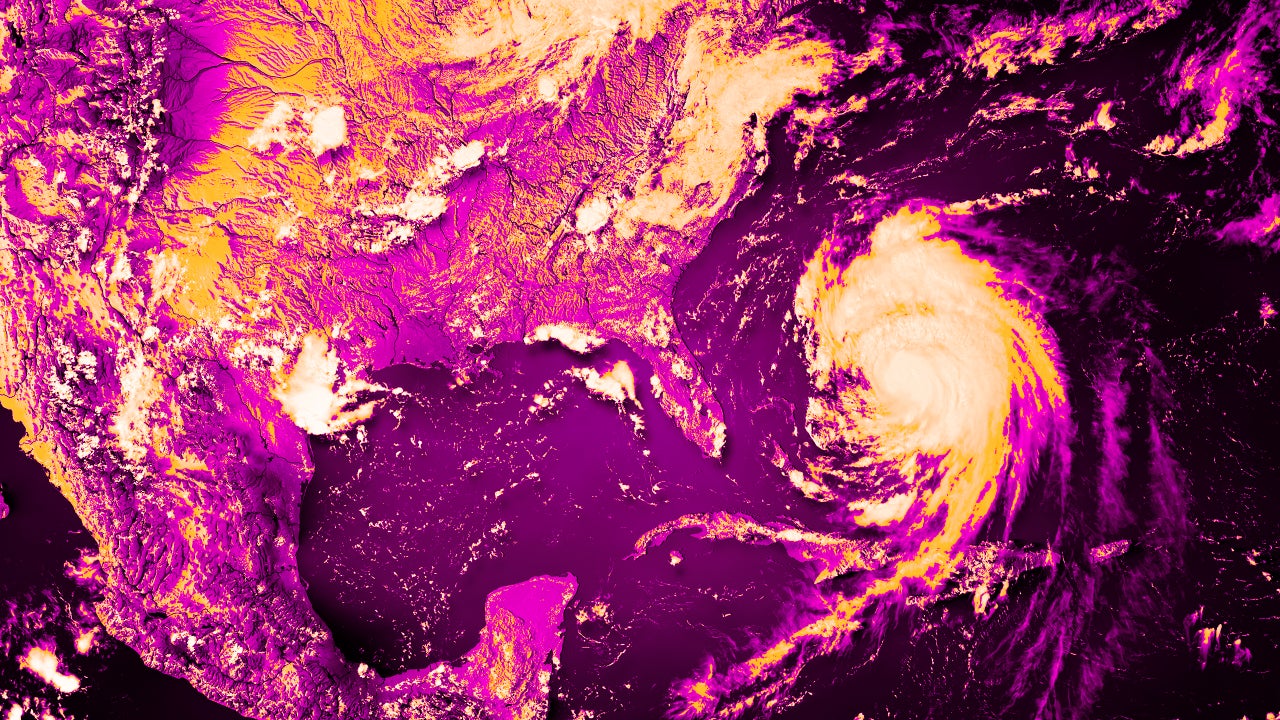
El Niño has officially crossed a significant threshold, being classified as a "very strong event" for the Northern Hemisphere's fall and winter of 2026-27, a development that precedes the start of the U.S. hurricane season. This classification indicates a "Super El Niño" is underway, with the National Oceanic and Atmospheric Administration (NOAA) reporting that weekly sea surface temperatures in the tropical Pacific have reached 3.6 degrees Fahrenheit, meeting the criteria for this elevated status. NOAA stated on September 14 that there is a 75% chance of a historic event during the October-December 2026 season, potentially exceeding the strength of previous El Niño events recorded since 1950. El Niño is a naturally occurring climate pattern that typically emerges every two to seven years, characterized by warmer-than-usual water in the central and eastern Pacific Ocean. This warming disrupts normal weather patterns as the trade winds, which usually blow from west to east, weaken. According to the U.S. Geological Survey, this disruption leads to more extreme meteorological events. NOAA further explains that as warm water is pushed from South America towards Asia, it is replaced by colder water rising from below, a process known as upwelling. The implications of such a strong El Niño event extend to various weather phenomena, including the ongoing hurricane season. Historically, intensified El Niño patterns have been linked to increased storm activity and flooding, particularly affecting the Southeastern United States and the Gulf Coast. Conversely, El Niño can also contribute to drought conditions and an increased risk of wildfires. The 2015 Super El Niño, for instance, was associated with severe drought in the Caribbean and Ethiopia. The current classification suggests a heightened potential for extreme weather events throughout 2027, with specific concerns raised about rising sea levels along California's coast, potentially by as much as a foot. Such an increase could trigger substantial flooding and widespread damage. The NOAA's classification of El Niño as a "very strong event" signifies a critical juncture in climate monitoring, with significant implications for disaster preparedness and forecasting across multiple regions.
Original source — read the full reporting at the publisher:
Read on Fast CompanyGet the weekly AI digest
AI news + new model releases, weekly. Drafted by our agents, reviewed by humans.