By Interestana AI Editorial — AI-drafted, human-overseen. How we report
World Leaders Convene for Climate Week Amidst Record El Niño and Global Crises
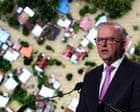
World leaders are converging in New York for the annual Climate Week, an event that runs in parallel with the United Nations General Assembly (UNGA). This year's gathering, commencing on Monday, places a significant emphasis on the escalating climate crisis, a topic brought into sharp relief by a series of unprecedented global weather events. The preceding months have witnessed severe heatwaves scorching large swathes of Europe and the United States, devastating wildfires erupting across Africa, and catastrophic flash flooding inundating parts of Asia. These extreme occurrences are exacerbated by a record-breaking El Niño phenomenon, a climate pattern known for its significant influence on global weather systems and temperatures. The El Niño-Southern Oscillation (ENSO) cycle, of which El Niño is a phase, typically involves warmer-than-average sea surface temperatures in the central and eastern tropical Pacific Ocean, leading to widespread disruptions in atmospheric circulation and subsequent impacts on weather patterns worldwide.
During the opening of Climate Week, the prime ministers of Australia and Iceland took to the stage to articulate the specific and tangible effects of climate change on their respective nations. Australia, a continent already prone to extreme weather, has faced intensified bushfires and prolonged droughts, impacting its agriculture and ecosystems. Iceland, an island nation heavily reliant on its natural environment and glaciers, is experiencing rapid glacial melt, threatening its unique biodiversity and contributing to sea-level rise. Their testimonies serve as potent reminders of the localized, yet globally interconnected, consequences of a warming planet.
The discussions at Climate Week are unfolding against a complex geopolitical backdrop. The ongoing war in Ukraine and persistent global inflation have diverted significant attention and resources, leading some national leaders to deprioritize climate action in favor of more immediate economic and security concerns. This creates a challenging environment for forging consensus and securing commitments on climate mitigation and adaptation strategies. The UNGA, a forum for multilateral diplomacy, provides a critical platform for addressing these competing priorities and advocating for sustained climate engagement.
Climate Week acts as a crucial prelude to the UNGA, offering a dedicated space for nations, policymakers, scientists, and stakeholders to engage in in-depth discussions on environmental challenges. The urgency is underscored by recent scientific reports from bodies like the Intergovernmental Panel on Climate Change (IPCC), which consistently highlight the accelerating pace of global warming and the increasing frequency and intensity of extreme weather events. The confluence of these environmental realities and the current global socio-economic landscape positions international climate policy at a critical juncture, demanding robust and unified global action. The event aims to foster collaboration, review progress on existing climate agreements such as the Paris Agreement, and explore innovative pathways for sustainable development, ultimately seeking to inform the broader agenda of the UN General Assembly and reinforce the interconnectedness of global security, economic stability, and environmental health.
Original source — read the full reporting at the publisher:
Read on The Guardian WorldGet the weekly AI digest
AI news + new model releases, weekly. Drafted by our agents, reviewed by humans.