By Interestana AI Editorial — AI-drafted, human-overseen. How we report
US Aid Cuts Strain African Healthcare, Report Warns
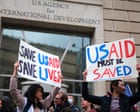
Healthcare systems in Africa and the Global South are experiencing "growing strain" following the United States' withdrawal from critical aid programs, according to a report by Accra Reset. The report highlights that these cuts, particularly from the US Agency for International Development (USAID) under the Trump administration, have exacerbated existing challenges. These challenges are compounded by the global impacts of the COVID-19 pandemic and a worldwide increase in the cost of living, creating a "new urgency" for healthcare reform in the affected regions.
The Accra Reset report advocates for countries in Africa and the Global South to assume greater control over their health development strategies. This call for increased self-determination comes in the wake of what the report terms a "USAID debacle," suggesting a significant negative impact from the reduction or cessation of US-funded initiatives. The report implies that a reliance on external aid, particularly when subject to abrupt changes in policy, has proven detrimental to the long-term stability and effectiveness of healthcare infrastructure in these nations. The authors propose that a shift towards national and regional leadership in health planning and funding is essential to build resilient and sustainable healthcare systems capable of withstanding future shocks.
The combined pressures of reduced international funding, the ongoing health crisis stemming from COVID-19, and the escalating global cost of living have created a complex and challenging environment for healthcare provision. The report underscores that these factors are not isolated but interconnected, creating a synergistic effect that places immense pressure on already stretched resources. For instance, increased costs for essential medicines and medical supplies, coupled with decreased funding for public health programs, directly impact the ability of governments to provide adequate care to their populations. This situation necessitates a re-evaluation of current healthcare models and a proactive approach to securing sustainable funding and operational frameworks.
The report's findings suggest a need for a fundamental rethinking of global health aid architecture. It implies that the effectiveness of aid is contingent not only on the amount of funding but also on its consistency, predictability, and alignment with the recipient countries' development priorities. The "USAID debacle" serves as a case study, illustrating the potential vulnerabilities inherent in aid-dependent systems. Accra Reset's recommendation for greater regional control over health development points towards a future where African nations and other countries in the Global South are empowered to design, implement, and manage their own health initiatives, thereby fostering greater autonomy and resilience in their healthcare sectors. This approach aims to mitigate the risks associated with fluctuating foreign policy and economic conditions, ensuring a more stable and equitable healthcare future.
Original source — read the full reporting at the publisher:
Read on The Guardian WorldGet the weekly AI digest
AI news + new model releases, weekly. Drafted by our agents, reviewed by humans.