By Interestana AI Editorial — AI-drafted, human-overseen. How we report
Brazil's Amazon Deforestation Gains Threatened by Moratorium Collapse
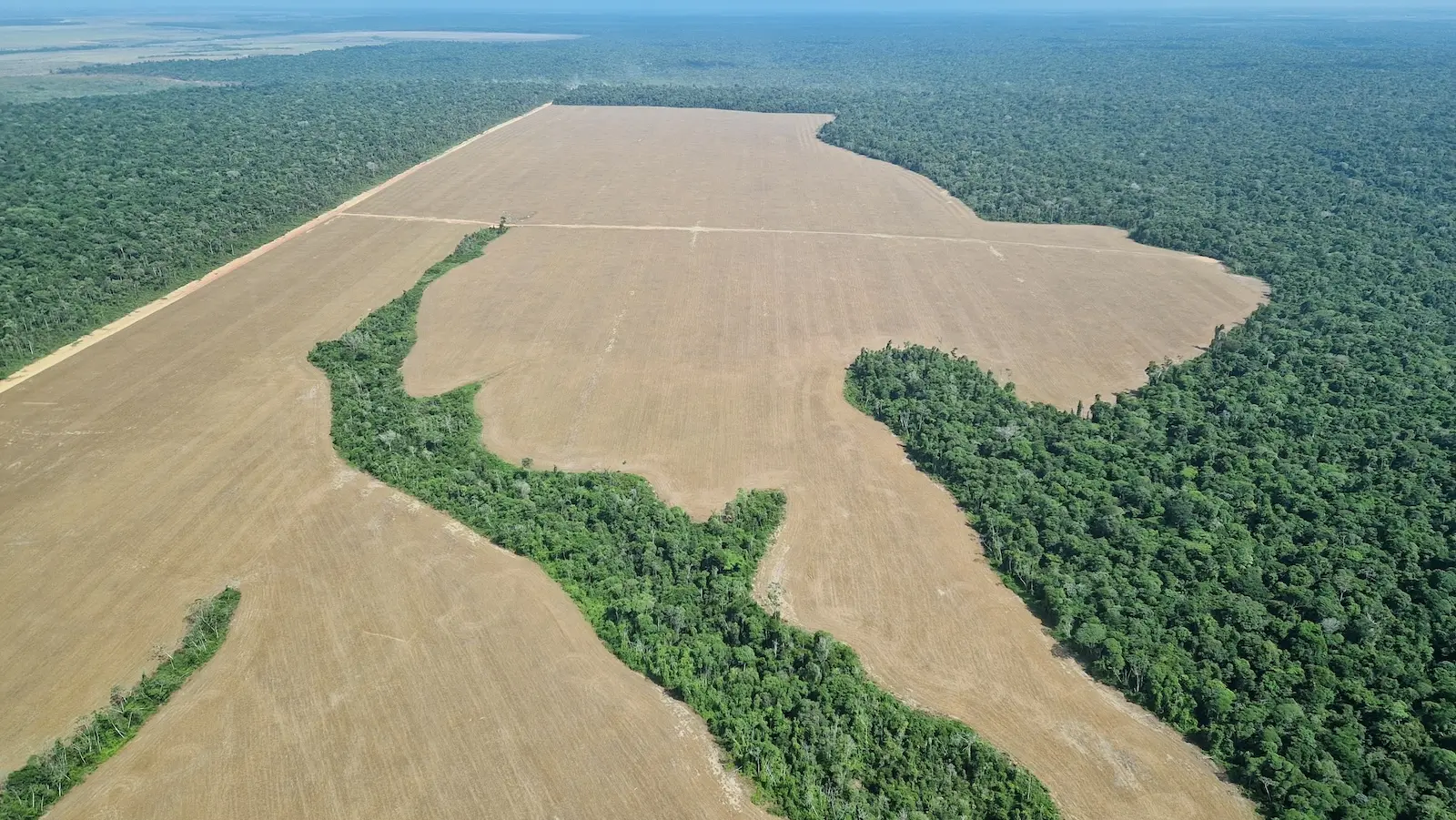
Deforestation in the Brazilian Amazon has reached its lowest point in a decade, a development lauded as progress by President Luiz Inácio Lula da Silva's administration, which took office in 2023 with a pledge to end illegal deforestation by 2030. Lula's government has implemented enhanced environmental policies, including increased policing and remote monitoring of forest lands, to promote transparency within the country's beef industry. However, environmental experts caution that some of these gains are vulnerable to reversal.
In January, several agrifood groups withdrew from the Amazon Soy Moratorium, a voluntary trade agreement that had been instrumental in curbing deforestation for soybean cultivation. This pact had stipulated that member companies would not purchase soy grown on land deforested after July 2008. The dissolution of the moratorium earlier this year led researchers and advocates to anticipate an increase in deforestation driven by soy farming.
A new study published in the journal Science by researchers from the U.S. and Brazil estimates that the Amazon forest could lose 1.4 million hectares, an area equivalent to approximately 2 million soccer fields, to deforestation over the next decade. Prior to the Soy Moratorium, soy cultivation was a significant contributor to Amazon deforestation. For instance, in Mato Grosso, Brazil's primary soy-producing state, a quarter of soy production between 2001 and 2005 resulted from clearing forested areas. The Soy Moratorium was established through a collaborative effort involving public and private entities operating in the Amazon forest, following a substantial public campaign led by Greenpeace. Lisa Rausch, a co-author of the Science paper, stated that "People generally followed it" and that "There weren’t many violations."
Original source — read the full reporting at the publisher:
Read on GristGet the weekly AI digest
AI news + new model releases, weekly. Drafted by our agents, reviewed by humans.