By Interestana AI Editorial — AI-drafted, human-overseen. How we report
Probiotics Explored as Potential Treatment for Bat Fungus
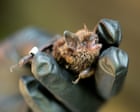
Biologists are exploring the use of probiotics as a novel treatment to combat white-nose syndrome, a devastating fungal disease that has rapidly spread across North America and threatens bat species with extinction. The fungus, Pseudogymnoascus destructans, causes a white, powdery growth on the muzzle, wings, and ears of bats, disrupting their hibernation cycles and leading to starvation and death. First identified in New York in 2006, the disease has since spread to 38 U.S. states and 8 Canadian provinces, impacting an estimated 6 million bats and causing significant declines in several species.
In May, biologists Jesika Reimer and her colleague observed bats in a cave near Fort Smith in Canada's Northwest Territories, finding one lifeless bat covered in the characteristic white fungus and another exhibiting signs of infection. The rapid progression of the disease, which has reached Canada's northernmost colonies from the U.S., has alarmed bat experts, prompting an urgent search for effective interventions. The current mortality rates are exceptionally high, with some colonies experiencing population declines of over 90%.
The potential probiotic treatment involves introducing beneficial bacteria to the bats' skin, which could outcompete the pathogenic fungus or bolster the bats' immune systems. This approach is inspired by similar strategies used to manage fungal diseases in other animals and plants. Researchers are collecting samples from healthy bats to identify naturally occurring microbes that might offer protection. The goal is to develop a method that can be applied in a way that minimizes stress to the bats and is scalable for widespread use across affected regions.
White-nose syndrome poses a significant threat not only to individual bat species but also to the broader ecosystem. Bats play a crucial role in pest control, consuming millions of insects each night, and in pollination. Their decline could lead to increased insect populations, potentially impacting agriculture and human health, and disrupt plant reproduction. The ongoing research into probiotic treatments represents a critical effort to preserve these vital nocturnal mammals and the ecological services they provide. The urgency is underscored by the fact that some species, like the little brown bat, have seen their populations plummet by as much as 98% in affected areas since the emergence of the disease.
Original source — read the full reporting at the publisher:
Read on The Guardian EnvironmentGet the weekly AI digest
AI news + new model releases, weekly. Drafted by our agents, reviewed by humans.