By Interestana AI Editorial — AI-drafted, human-overseen. How we report
July 2026 Saw Record Wildfires in England
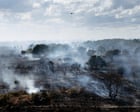
July 2026 was the worst month on record for wildfires in England, according to provisional data. The country recorded a total of 624 wildfires during the month, marking a clear upward trend in the frequency of such events. This surge in wildfires occurred against a backdrop of punishingly hot and dry weather conditions that transformed large areas of the English countryside into a tinderbox, highlighting the UK's vulnerability to climate breakdown. One notable incident involved a devastating blaze near the Sizewell B nuclear power station in Suffolk, underscoring the potential risks associated with these fires.
The data indicates a concerning pattern of increasing wildfire occurrences in England. While specific historical comparisons for July are not detailed in the provided text, the statement "worst on record" implies that this figure surpasses all previous July totals. The "clear upward trend" suggests that the number of wildfires has been growing over time, a phenomenon often linked to changing climatic conditions. The summer of 2026 served as a "stark reminder" of the UK's susceptibility to the impacts of climate change, with prolonged periods of high temperatures and insufficient rainfall creating an environment ripe for fires.
The environmental conditions experienced in July 2026, characterized by extreme heat and drought, are consistent with broader predictions and observations related to global climate change. Such conditions increase the flammability of vegetation, making it easier for fires to start and spread rapidly. The vulnerability of the UK to "climate breakdown" is a recurring theme in environmental discussions, and the record number of wildfires in July serves as a tangible manifestation of these risks. The incident near Sizewell B nuclear power station, a critical piece of national infrastructure, also brings into focus the potential for wildfires to pose threats beyond environmental damage, extending to public safety and critical services.
While the provided text focuses on the record number of wildfires in July 2026 and the contributing weather conditions, it does not offer specific details on the causes of ignition for these fires, the total area burned, or the economic and ecological impact. However, the data presented by the provisional figures from England's wildfire records clearly establishes July 2026 as an exceptional period for wildfire activity. The mention of a "clear upward trend" suggests that this event is not an isolated anomaly but part of a larger pattern that warrants further investigation and preventative measures in response to the evolving climate.
Original source — read the full reporting at the publisher:
Read on The Guardian WorldGet the weekly AI digest
AI news + new model releases, weekly. Drafted by our agents, reviewed by humans.