By Interestana AI Editorial — AI-drafted, human-overseen. How we report
Soldier's Wife Deported to Honduras Amid Trump Immigration Crackdown
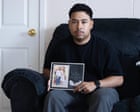
Cristy Maryori Villafranca-Trejo, the wife of an active-duty United States soldier, was deported to her native Honduras on Monday, August 19, 2024, according to her family and the federal Department of Homeland Security (DHS). This deportation marks a significant development in the ongoing immigration policies implemented during Donald Trump's second presidency, impacting military families. Villafranca-Trejo's case is at least the seventh instance of a spouse or parent of an active-duty US soldier facing removal under the current administration's immigration crackdown.
The immigration policies enacted under Trump's administration have increasingly targeted individuals with precarious immigration statuses, even those with direct ties to the US military. The DHS has been enforcing stricter immigration measures, leading to the deportation of individuals who may have previously been shielded or had pathways to legal residency. The impact of these policies on military readiness and morale is a growing concern, as service members may face the emotional and logistical burden of their family members being removed from the country.
Villafranca-Trejo's deportation highlights a broader trend of increased scrutiny and enforcement of immigration laws affecting families connected to the US armed forces. Prior to this, at least six other spouses or parents of active-duty soldiers have been deported. These individuals often have lived in the United States for years, are married to US citizens or legal residents serving in the military, and may have children who are US citizens. The deportations raise questions about the administration's commitment to supporting military families and the potential consequences for national security and military recruitment.
The specific circumstances leading to Villafranca-Trejo's deportation were not immediately detailed by the DHS, but such actions typically stem from prior immigration violations or lack of legal status. However, the timing and pattern of these deportations, occurring under a renewed focus on immigration enforcement, suggest a deliberate policy shift. Advocacy groups and military support organizations have expressed concern over these removals, arguing that they undermine the sacrifices made by service members and create instability within military households. The situation underscores the complex intersection of immigration law, national security, and the welfare of those serving in the US military.
Original source — read the full reporting at the publisher:
Read on The Guardian WorldGet the weekly AI digest
AI news + new model releases, weekly. Drafted by our agents, reviewed by humans.