By Interestana AI Editorial — AI-drafted, human-overseen. How we report
Father of USS Lincoln Sailor Detained by ICE Released
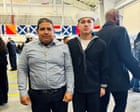
Luis Manuel Aviles, 48, the father of a U.S. Navy sailor deployed on the USS Abraham Lincoln aircraft carrier, has been released from immigration detention, his family confirmed. Aviles's arrest by Immigration and Customs Enforcement (ICE) had generated significant public backlash, particularly because his son, Joshua, was nearing the end of a record-breaking nine-month deployment in the Middle East aboard the same carrier. The USS Abraham Lincoln had recently set a new U.S. military record for continuous time at sea, a deployment that has also brought to light concerns regarding potential supply shortages and the impact on the mental health of its crew members. The circumstances of Aviles's detention, occurring while his son was serving on this extended mission, amplified the criticism directed at ICE's enforcement practices. Reports indicated that Joshua Aviles was entering his ninth month of service on the Lincoln when his father was taken into custody. The extended deployment of the USS Abraham Lincoln has been a subject of discussion, with attention drawn to the strain such prolonged periods at sea can place on military personnel and the logistical challenges involved in maintaining readiness and well-being. The case highlights the complex intersection of immigration enforcement and military family support, raising questions about the timing and impact of detentions on service members and their families. The release of Luis Manuel Aviles marks a resolution to this specific instance of detention, but the broader issues surrounding immigration policy and its effects on military families remain a point of public and governmental concern. The USS Abraham Lincoln's deployment is part of ongoing naval operations in the Middle East, a region characterized by complex geopolitical dynamics and persistent security challenges. The vessel's extended presence underscores the sustained commitment of the U.S. Navy to maintaining maritime security and projecting power in the region. The crew's resilience and the support systems in place for them and their families are critical components of operational effectiveness. The family's advocacy and the media attention surrounding the case played a role in bringing about Aviles's release, demonstrating the influence of public pressure on immigration detention decisions. This event serves as a case study in the challenges faced by families with members serving in the armed forces, particularly when navigating the complexities of immigration status.
Original source — read the full reporting at the publisher:
Read on The Guardian WorldGet the weekly AI digest
AI news + new model releases, weekly. Drafted by our agents, reviewed by humans.