By Interestana AI Editorial — AI-drafted, human-overseen. How we report
El Niño Weakens Atlantic Hurricane Forecasts
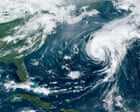
A strengthening El Niño weather pattern is significantly impacting hurricane activity in the Atlantic Ocean, leading authorities to predict a quieter-than-average season. El Niño, a climate phenomenon characterized by warmer-than-average sea surface temperatures in the central and eastern tropical Pacific Ocean, typically influences atmospheric circulation patterns globally. One of its key effects in the Atlantic basin is an increase in wind shear, which disrupts the formation and intensification of tropical storms and hurricanes. This year, the El Niño's influence is particularly pronounced, contributing to a notable absence of hurricanes early in the season.
Historically, the Atlantic hurricane season sees its first hurricane arrive by mid-August, with subsequent storms following in late August and early September. For instance, in the 30-year period leading up to 2020, the average dates for the first, second, and third hurricanes were August 11, August 26, and September 7, respectively. However, as of the reporting period, the Atlantic has experienced zero hurricanes. This marks a significant deviation from the norm, with the latest recorded date for the first Atlantic hurricane being September 11 in both 2002 and 2013. The current season's lack of activity underscores the potent influence of the prevailing El Niño conditions.
The National Oceanic and Atmospheric Administration (NOAA), a key agency for weather forecasting and climate monitoring, initially anticipated a subdued hurricane season. Their forecast at the beginning of the season predicted between three and six hurricanes, a figure substantially lower than the average of seven hurricanes typically observed. This prediction was further revised in August, with the forecast range for expected hurricanes being narrowed to between two and six. These revised projections highlight NOAA's assessment of the ongoing El Niño's impact on reducing the likelihood and intensity of tropical cyclone development in the Atlantic.
The United Nations has also commented on the growing strength of El Niño, with one report describing it as "supersizing before our eyes." This observation suggests that the current El Niño event may be more intense than initially anticipated, potentially leading to more widespread and severe weather impacts globally, beyond just the reduction in Atlantic hurricanes. While El Niño often brings extreme weather, including increased storminess in some regions, its effect on the Atlantic hurricane season is a notable counterpoint, demonstrating the complex and varied nature of its global climatic influence. The implications of a strengthened El Niño extend to various sectors, including disaster preparedness, agriculture, and water resource management, necessitating careful monitoring and adaptation strategies.
Original source — read the full reporting at the publisher:
Read on The Guardian EnvironmentGet the weekly AI digest
AI news + new model releases, weekly. Drafted by our agents, reviewed by humans.