By Interestana AI Editorial — AI-drafted, human-overseen. How we report
US Microschools Surge Past 100,000 Amid Public School Decline
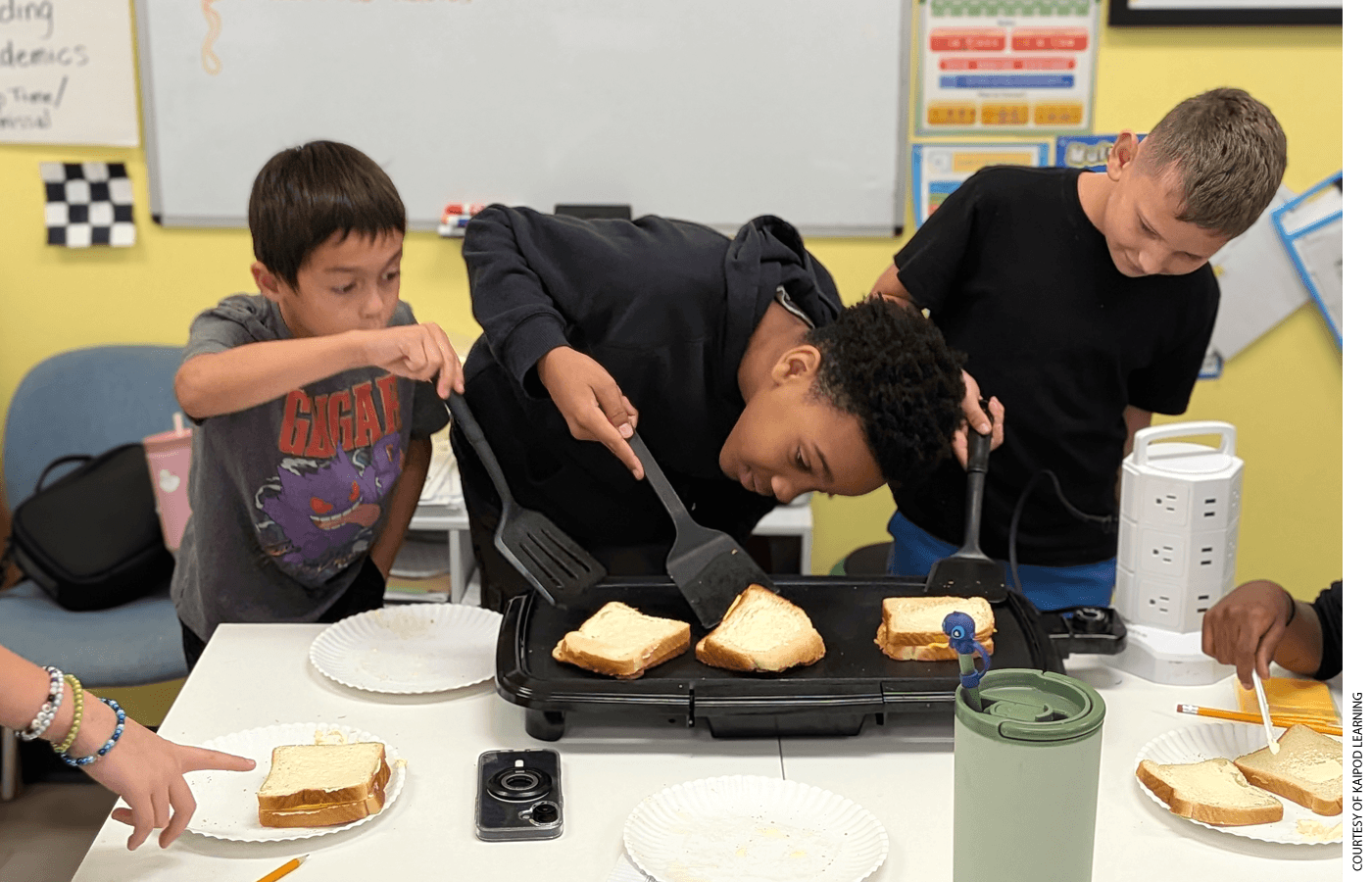
The number of microschools in the United States has exceeded 100,000, a significant increase driven in part by the COVID-19 pandemic. These small, private-pay learning environments, typically serving fewer than 20 students, are emerging as a popular alternative to traditional public schooling. An estimated 1 to 2 million students are currently enrolled in microschools, with projections indicating further growth as federal tax credits and local school district initiatives support the sector.
National networks such as KaiPod, Prenda, and Primer are contributing to this expansion, particularly in states with robust school choice policies like Arizona and Florida. However, a defining characteristic of the current microschool landscape is its remarkable diversity. Research into unconventional education has revealed a wide array of models, including home-based learning pods, farm schools, specialized centers for LGBTQ+ students, faith-based academies, and STEM-focused institutions for teenagers.
Observations suggest a high concentration of neurodiverse learners and male students within these microschool settings. This trend aligns with national data indicating that traditional classrooms may not be optimally serving many male students. For instance, the National Assessment of Educational Progress (NAEP) consistently shows boys trailing girls in reading and writing, with their historical advantages in math and science diminishing as girls' performance improves.
Original source — read the full reporting at the publisher:
Read on Education NextGet the weekly AI digest
AI news + new model releases, weekly. Drafted by our agents, reviewed by humans.