By Interestana AI Editorial — AI-drafted, human-overseen. How we report
Wildfire Smoke Contributes 10% to UK Air Pollution
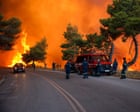
Wildfires occurring globally are a significant contributor to air pollution in the United Kingdom, accounting for approximately 10% of the nation's particle pollution. This phenomenon is exacerbated by the ongoing climate crisis, which is intensifying the frequency and severity of extreme weather events, including wildfires. Recent large-scale blazes in south-western Europe, for instance, generated substantial amounts of smoke that led to a notable decline in air quality across southern France and central Spain. The Copernicus Atmosphere Monitoring Service, through its work, tracks these atmospheric events. Dr. Mark Parrington, a senior scientist at the Copernicus Atmosphere Monitoring Service, has highlighted the impact of these fires, noting the significant degradation of air quality observed in affected European regions. The smoke plumes from these distant fires can travel thousands of miles, reaching as far as the UK and impacting air quality there. This transboundary pollution means that events happening in one part of the world can have direct consequences on air quality in another, underscoring the interconnectedness of environmental issues on a global scale. The increasing intensity of wildfires is linked to rising global temperatures and altered weather patterns, which create drier conditions conducive to fire ignition and spread. This trend suggests that the problem of wildfire smoke contributing to UK air pollution is likely to worsen in the future if climate change mitigation efforts are not significantly scaled up. The long-term implications for public health and the environment are considerable, as prolonged exposure to fine particulate matter from smoke can lead to respiratory and cardiovascular problems. Furthermore, the ecological impact of widespread wildfires, including habitat destruction and biodiversity loss, adds another layer of concern to the global environmental challenges. The Copernicus Atmosphere Monitoring Service plays a crucial role in providing data and analysis on atmospheric composition, including the transport of pollutants like wildfire smoke, enabling a better understanding of these complex environmental dynamics and informing potential mitigation strategies. The visual imagery of smoke rising above wildlife habitats, coupled with reports of evacuations and destruction of homes and livelihoods, paints a stark picture of the immediate and devastating effects of wildfires, effects that are increasingly felt even in regions far from the initial ignition points due to atmospheric transport.
Original source — read the full reporting at the publisher:
Read on The Guardian EnvironmentGet the weekly AI digest
AI news + new model releases, weekly. Drafted by our agents, reviewed by humans.