By Interestana AI Editorial — AI-drafted, human-overseen. How we report
Bali Tourism Siphons Water From Rice Fields
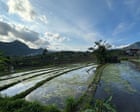
In Bali, a centuries-old system of water sharing for rice cultivation is being undermined by the growing tourism industry, which is diverting significant water resources. I Putu Partayasa, a rice farmer, notes that his fields, once consistently watered, now face shortages, especially during the dry season. He attributes this scarcity to companies redirecting water to tourist facilities, leading to a reduction in the area of cultivated land and drying springs.
This shift signifies a departure from Bali's traditional water management philosophy, where water was viewed as a communal gift. The increasing demand from hotels, resorts, and swimming pools, particularly in tourist hubs, places immense pressure on the island's limited freshwater supply. This demand often supersedes the needs of the agricultural sector, which has historically been the primary user and steward of the island's water infrastructure.
The consequences of this water diversion extend beyond agricultural productivity. Environmental degradation is becoming more apparent, with shrinking forests and depleted springs. The ecological balance of the island is threatened as the natural water cycle is disrupted to cater to the demands of a booming tourism economy. This situation highlights a critical conflict between economic development driven by tourism and the preservation of traditional livelihoods and the island's natural resources.
The issue underscores a broader challenge faced by many popular tourist destinations: balancing economic benefits with environmental sustainability. As Bali continues to attract millions of visitors annually, the strain on its resources, particularly water, is becoming increasingly unsustainable. Addressing this requires a comprehensive approach that involves policy changes, community engagement, and a re-evaluation of tourism's impact on local ecosystems and communities.
Original source — read the full reporting at the publisher:
Read on The Guardian EnvironmentGet the weekly AI digest
AI news + new model releases, weekly. Drafted by our agents, reviewed by humans.