By Interestana AI Editorial — AI-drafted, human-overseen. How we report
Rachel Cusk's New Novel Explores Identity and Art
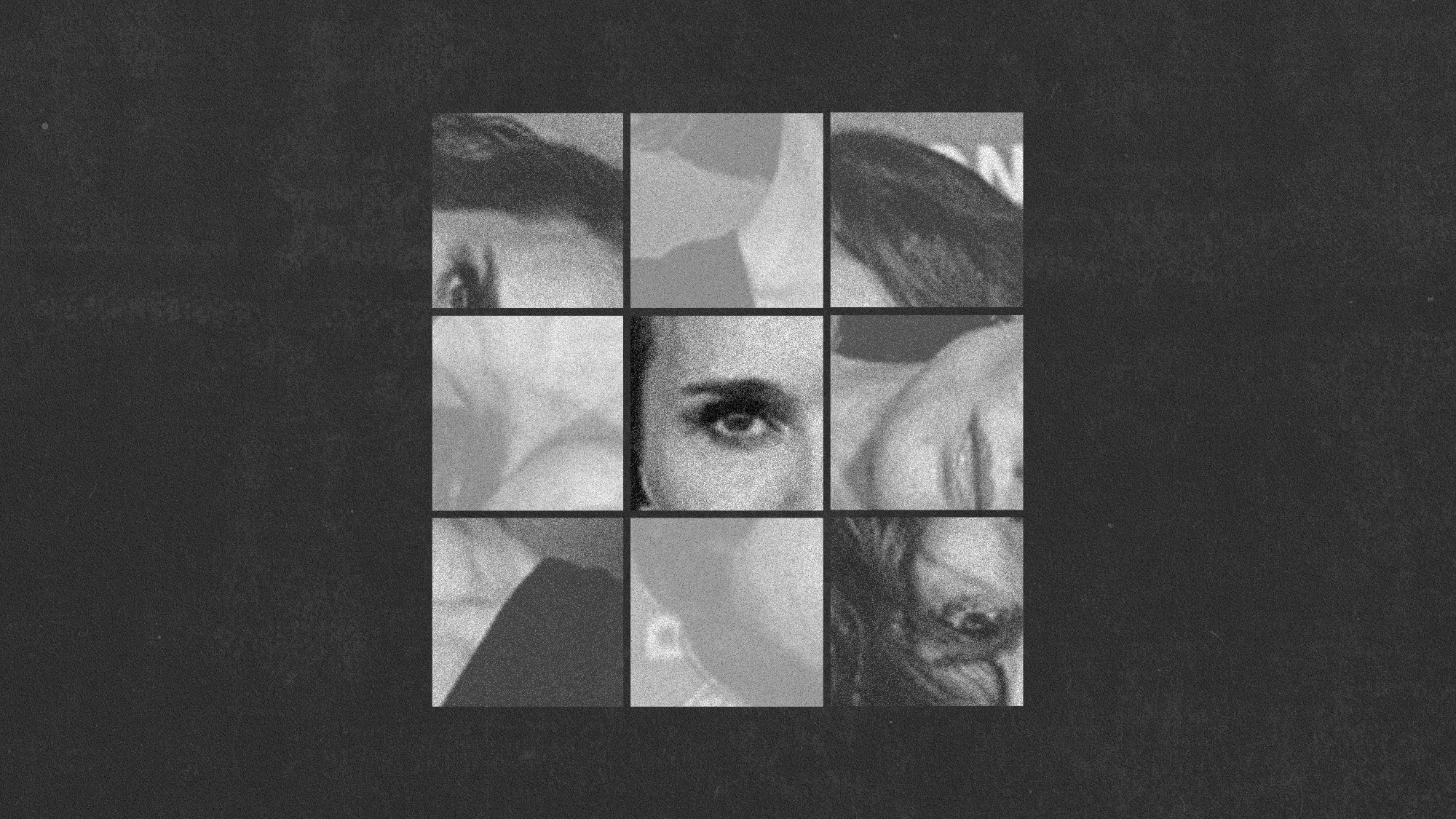
Rachel Cusk's latest novel, "Parade," pushes the boundaries of autofiction, a genre she helped popularize, by further blurring the lines between the author's life and the narrative. The book centers on a protagonist, also named Rachel, who is a writer grappling with her artistic process and the nature of representation. This exploration is not merely a fictional exercise but a deep dive into the author's own experiences and philosophical inquiries into the creation of art and the self. Cusk, known for her incisive prose and unflinching self-examination in works like "Outline" and "Kudos," continues this trajectory by presenting a character who is both a reflection and a departure from her public persona.
The narrative structure of "Parade" is characterized by its fragmented nature and its focus on conversations and observations that reveal the protagonist's internal world and her interactions with others. These dialogues often touch upon themes of memory, perception, and the way individuals construct their identities. Cusk employs a distinctive narrative voice that is both detached and intensely personal, inviting readers to question the reliability of the narrator and the very essence of truth in storytelling. The novel's setting, often in European cities, provides a backdrop for these introspective journeys, underscoring the universality of the themes explored.
"Parade" is particularly notable for its engagement with the concept of the artist's gaze and the ethical considerations that arise when an artist draws from their own life and the lives of those around them. Cusk seems to be interrogating the act of creation itself, questioning who has the right to tell certain stories and how the process of writing can transform both the subject and the author. The novel doesn't offer easy answers but instead presents a complex tapestry of interwoven ideas about art, life, and the elusive nature of authenticity. This latest work solidifies Cusk's reputation as a significant voice in contemporary literature, consistently challenging readers and critics alike with her innovative approach to narrative and her profound insights into the human condition.
Original source — read the full reporting at the publisher:
Read on The AtlanticGet the weekly AI digest
AI news + new model releases, weekly. Drafted by our agents, reviewed by humans.