Millions Suffer Undiagnosed Smell Loss
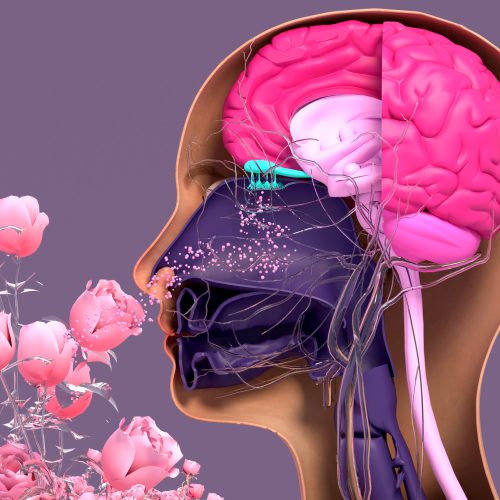
Approximately 14 years ago, Chrissi Kelly lost her sense of smell after contracting a virus while visiting the Czech Republic. Months of doctor visits, including to her general practitioner and an ear, nose, and throat specialist, confirmed a diagnosis of anosmia, or complete smell loss. Kelly was advised to adapt to living without her sense of smell, but she described the loss as catastrophic, stating she "did not feel like myself anymore" after six months of complete loss.
Researchers estimate that up to 22 percent of the global population lives with some form of smell impairment. These impairments include hyposmia, which is partial smell loss, and anosmia. Beyond these, many individuals experience smell disorders such as phantosmia, characterized by the perception of phantom smells, and parosmia, where normally pleasant scents are perceived as highly unpleasant, often likened to feces or vomit. Despite the significant number of people affected, these olfactory conditions have historically been poorly understood, leading to underdiagnosis and frequent minimization by medical professionals.
The lack of understanding and diagnosis means that many individuals like Chrissi Kelly struggle with the profound impact these conditions have on their quality of life. The inability to detect everyday scents, from food to potential dangers like smoke, can lead to significant distress and a diminished sense of self. The medical community's historical underestimation of these disorders has left many patients feeling unheard and without adequate support or treatment options, forcing them to "learn to live with it" rather than seeking effective interventions.
Original source — read the full reporting at the publisher:
Read on Ars Technica