Scientists Sequence Tardigrade DNA for Earth's Life Catalog
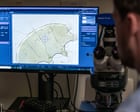
Scientists at the Wellcome Sanger Institute are actively engaged in sequencing the DNA of tardigrades, microscopic invertebrates also known as water bears. This effort is a component of a larger, ambitious project aiming to sequence the genomes of all known life forms on Earth. Witek Morek, a researcher at the institute, was observed collecting moss samples from a wall on the Cambridgeshire campus, a process he humorously described as using "the human hand" to gather material for analysis. This collection method is part of the initial stages of identifying and preparing specimens for genetic sequencing.
The initiative to catalog the DNA of all life is a monumental undertaking, with tardigrades representing a specific focus due to their unique resilience and biological characteristics. The selection of tardigrades as a subject of study aligns with broader scientific interests in extremophiles and their potential applications. The Wellcome Sanger Institute, a world-leading genomics research center, is leveraging advanced bioengineering tools and techniques to achieve its sequencing goals.
This work contributes to a growing understanding of biodiversity and the intricate genetic relationships between different species. By systematically sequencing the DNA of various organisms, researchers aim to build a comprehensive genetic library that can inform conservation efforts, medical research, and our fundamental knowledge of biology. The project underscores the importance of invertebrates, often overlooked, in the grand tapestry of life on our planet.
Original source — read the full reporting at the publisher:
Read on The Guardian Environment