By Interestana AI Editorial — AI-drafted, human-overseen. How we report
Colleges Must Adapt to Rising Nontraditional Student Population
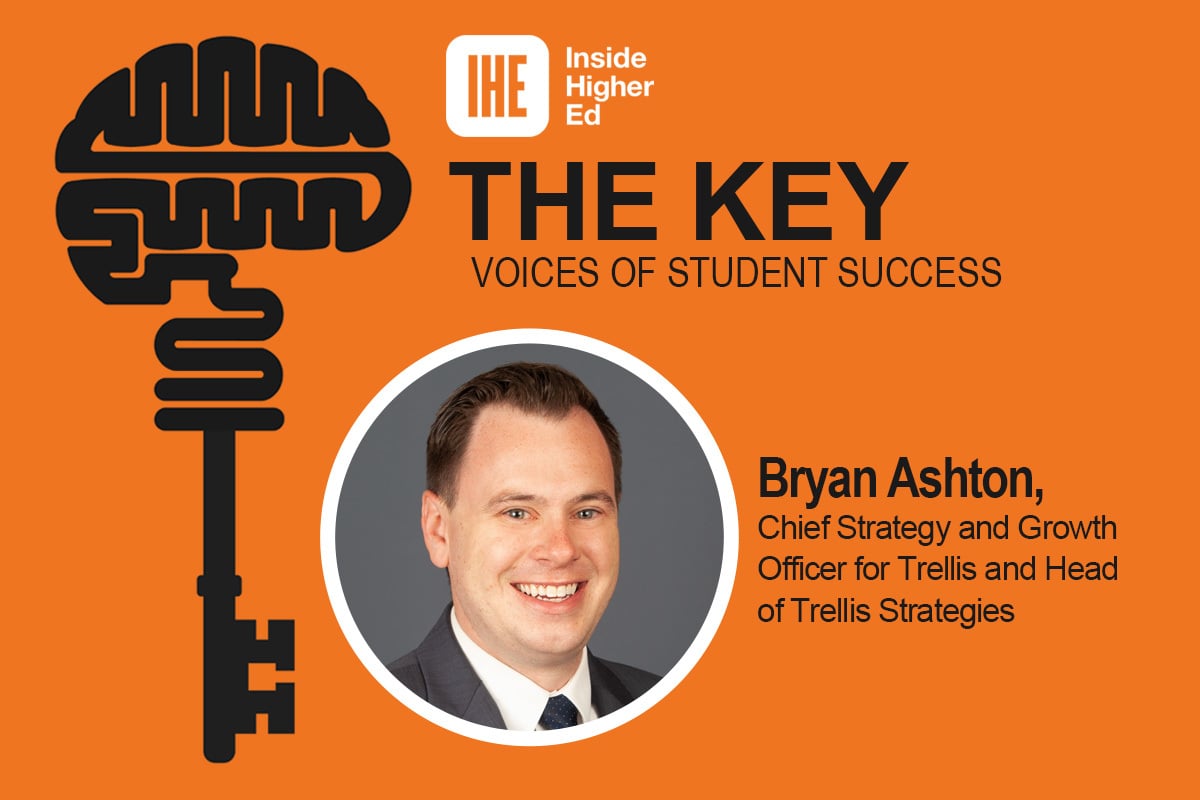
Colleges and universities are increasingly confronted with the reality that "nontraditional" students are no longer a niche group but are becoming the prevailing demographic within higher education. This demographic shift necessitates a fundamental re-evaluation of institutional structures, pedagogical approaches, and support services. Bryan Ashton, a representative from Trellis Strategies, a firm specializing in educational consulting, has highlighted this trend, emphasizing that institutions must proactively adapt to meet the evolving needs of this student population. The term "nontraditional student" historically referred to individuals who deviated from the typical college-goer profile, often characterized by being older, having dependents, working full-time, or having interrupted their education previously. However, Ashton's analysis suggests that this profile is expanding and becoming more representative of the overall student body. This means that what was once considered an exception is now approaching the norm, requiring a comprehensive overhaul of how higher education is delivered and experienced.
Institutions need to consider how their current offerings align with the life circumstances and educational goals of these students. This includes examining course scheduling to accommodate work and family responsibilities, potentially offering more flexible online or hybrid learning options, and ensuring that support services like academic advising, career counseling, and mental health resources are accessible and tailored to individuals who may have different life experiences and pressures than traditional, younger students. The financial aid landscape also requires scrutiny, as nontraditional students may have different financial needs and eligibility criteria compared to their younger counterparts. Furthermore, the curriculum itself may need to be reviewed to ensure it is relevant to the career aspirations and existing skill sets of a more diverse student population, many of whom may be seeking to upskill or reskill for career advancement.
The implications of this demographic shift extend beyond operational adjustments. It calls into question the very definition of a "typical" college experience and the traditional pathways to degree attainment. Colleges that fail to adapt risk alienating a growing segment of their potential student population and may see declining enrollment numbers. Conversely, institutions that embrace this change and strategically redesign their programs and services to be more inclusive and responsive to the needs of nontraditional students are likely to thrive. This proactive approach can lead to a more diverse and vibrant campus community, enriching the educational experience for all students and better preparing graduates for the complexities of the modern workforce. The challenge for higher education leaders is to move beyond incremental changes and implement systemic reforms that reflect the new reality of who is pursuing higher education today.
Original source — read the full reporting at the publisher:
Read on Inside Higher EdGet the weekly AI digest
AI news + new model releases, weekly. Drafted by our agents, reviewed by humans.