By Interestana AI Editorial — AI-drafted, human-overseen. How we report
Scientists Reference The Beatles Most in Research
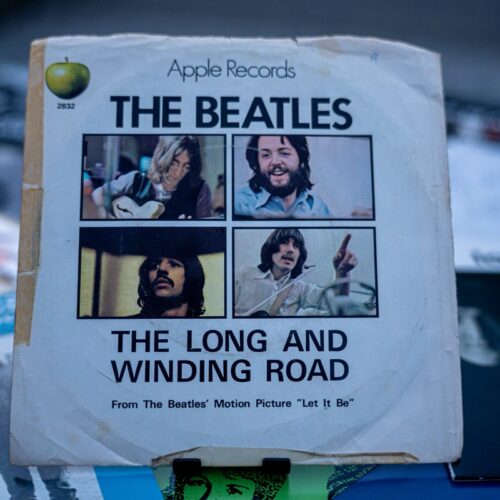
The Beatles hold the distinction of being the most frequently referenced musical group within scientific research publications, according to a new paper published in the journal PLoS ONE. This finding highlights a playful and creative side of scientists who often incorporate popular culture, particularly song lyrics, into their academic work. The study identified over 3,000 instances of Beatles references, demonstrating a widespread practice among researchers to weave lyrical allusions into their published findings.
Co-author Gabriel Budel from Delft University of Technology in The Netherlands commented on the ingenuity of these references, citing examples such as "The lung and winding road," a paper on Long COVID that subtly alters a vowel in the original Beatles song title. Another example is "Here comes the SU(N)," which cleverly adapts "Here Comes the Sun" for a quantum computing paper focusing on mathematical groups. These instances underscore the cleverness and often humorous intent behind such inclusions, suggesting researchers are having a "very good day at their desk" when crafting these titles.
This phenomenon of embedding popular culture into scientific literature is not entirely new. In 2014, scientists at the Karolinska Institute in Sweden disclosed a long-running bet involving the deliberate insertion of Bob Dylan lyrics into their papers. This practice began with a 1997 Nature review titled "Nitric Oxide and inflammation: The answer is blowing in the wind." The extent of this practice was further explored in a 2015 study that investigated the presence of Dylan lyrics elsewhere in the biomedical literature. That study found "The Times They Are A'Changin'" and "Blowing in the Wind" to be the most frequently cited Dylan songs within scientific contexts.
The PLoS ONE study's comprehensive analysis of Beatles references reveals a significant trend in how scientific communication can intersect with broader cultural touchstones. The researchers meticulously cataloged these allusions, providing concrete evidence of a recurring pattern. The practice serves not only as a form of creative expression for scientists but also potentially as a way to make research titles more memorable or to subtly signal shared cultural understanding among peers. The sheer volume of references suggests that The Beatles' extensive catalog and universally recognized lyrics provide a rich source for these academic nods, making them the undisputed champions of musical references in scientific publications.
Original source — read the full reporting at the publisher:
Read on Ars TechnicaGet the weekly AI digest
AI news + new model releases, weekly. Drafted by our agents, reviewed by humans.