By Interestana AI Editorial — AI-drafted, human-overseen. How we report
When Both Parties Try to Out-Macho Each Other
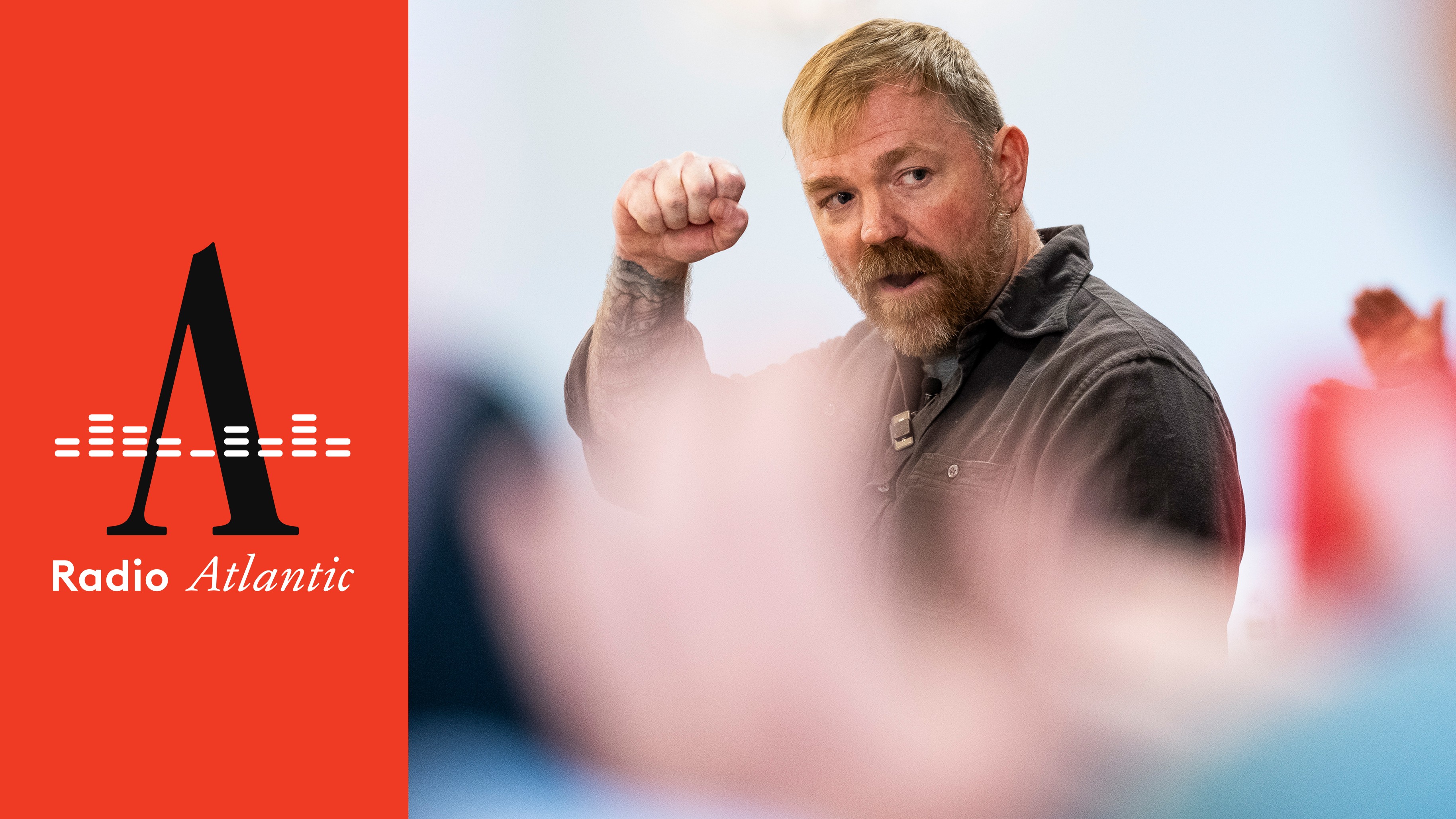
The article examines the contemporary political landscape where both major political parties engage in a "macho" competition, focusing on the performance of masculinity. This dynamic is not new but has intensified in recent years, influencing policy debates and public perception. The author argues that this performative aspect of politics often overshadows substantive policy discussions, leading to a focus on symbolic gestures and aggressive rhetoric rather than practical solutions. This trend is observed across various issues, from economic policy to foreign relations, where leaders feel compelled to project an image of strength and dominance. The piece delves into how this "macho" posturing affects voter engagement and the overall health of democratic discourse, suggesting that it can alienate segments of the electorate and simplify complex issues into binary choices of strength versus weakness. The analysis highlights specific instances and rhetorical patterns that exemplify this political strategy, tracing its roots and its evolution in the digital age. Ultimately, the article posits that this competitive display of masculinity in politics can hinder progress and foster a more polarized and less nuanced public sphere.
Original source — read the full reporting at the publisher:
Read on The AtlanticGet the weekly AI digest
AI news + new model releases, weekly. Drafted by our agents, reviewed by humans.