By Interestana AI Editorial — AI-drafted, human-overseen. How we report
California Details $3,500 EV Rebate Program
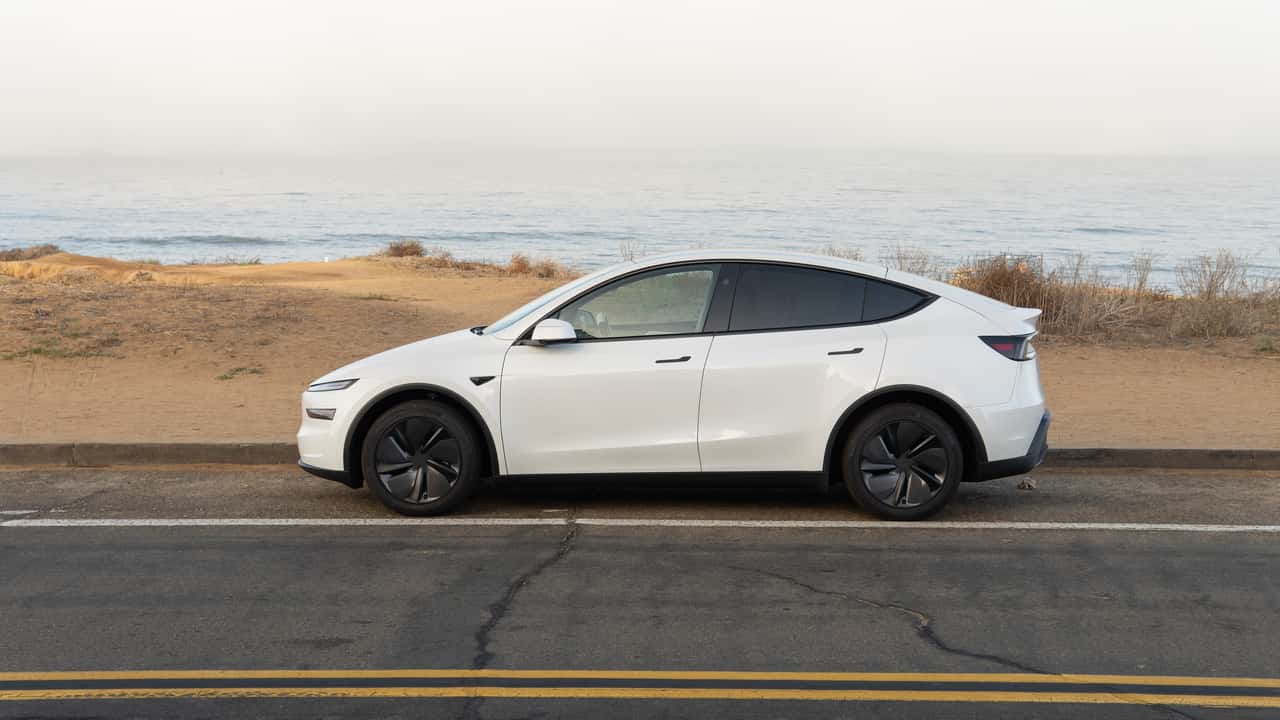
California has unveiled updated guidelines for its incentive program designed to encourage the adoption of new and used electric vehicles (EVs), with a specific focus on the $3,500 rebate. This program aims to make EVs more accessible to a wider range of consumers across the state. The latest information clarifies eligibility criteria for both vehicles and purchasers, ensuring that the incentives are distributed effectively to meet the program's objectives.
Central to the program is the $3,500 rebate, which can be applied to the purchase or lease of qualifying new or used EVs. The program distinguishes between new and used vehicle incentives, with specific income limitations for purchasers to ensure that the benefits are directed towards middle- and low-income households. For new EVs, the rebate amount is $3,500, and for used EVs, it is also $3,500. These rebates are intended to offset a significant portion of the upfront cost of purchasing an electric vehicle, thereby lowering the total cost of ownership.
Several Tesla models have been identified as qualifying for the rebate, provided they meet the specific criteria outlined by the California Air Resources Board (CARB). These criteria often include factors such as the vehicle's manufacturer's suggested retail price (MSRP) and its battery capacity. For instance, certain trims of the Tesla Model 3 and Model Y are likely to be eligible, though specific model years and configurations will be subject to the program's ongoing updates. The program also considers the vehicle's point of sale, meaning the rebate is typically applied at the dealership, reducing the immediate out-of-pocket expense for the buyer. The total budget allocated for these incentives is substantial, reflecting California's commitment to its ambitious clean air and climate goals.
Beyond the vehicle itself, the program also imposes income caps for applicants. These caps are designed to ensure that the subsidies benefit individuals and families who might otherwise find the transition to an EV financially challenging. The specific income thresholds vary depending on the household size and whether the vehicle purchased is new or used. For example, applicants for new EVs may have a higher income limit compared to those seeking used EVs. This tiered approach aims to maximize the program's impact on reducing emissions and promoting EV adoption across diverse socioeconomic groups within California. The program's administration is overseen by state agencies tasked with monitoring EV sales and incentive distribution, with regular reporting on its effectiveness and reach.
Original source — read the full reporting at the publisher:
Read on InsideEVsGet the weekly AI digest
AI news + new model releases, weekly. Drafted by our agents, reviewed by humans.