By Interestana AI Editorial — AI-drafted, human-overseen. How we report
2027 Chevy Bolt Achieves Superior Highway Range at 60 MPH
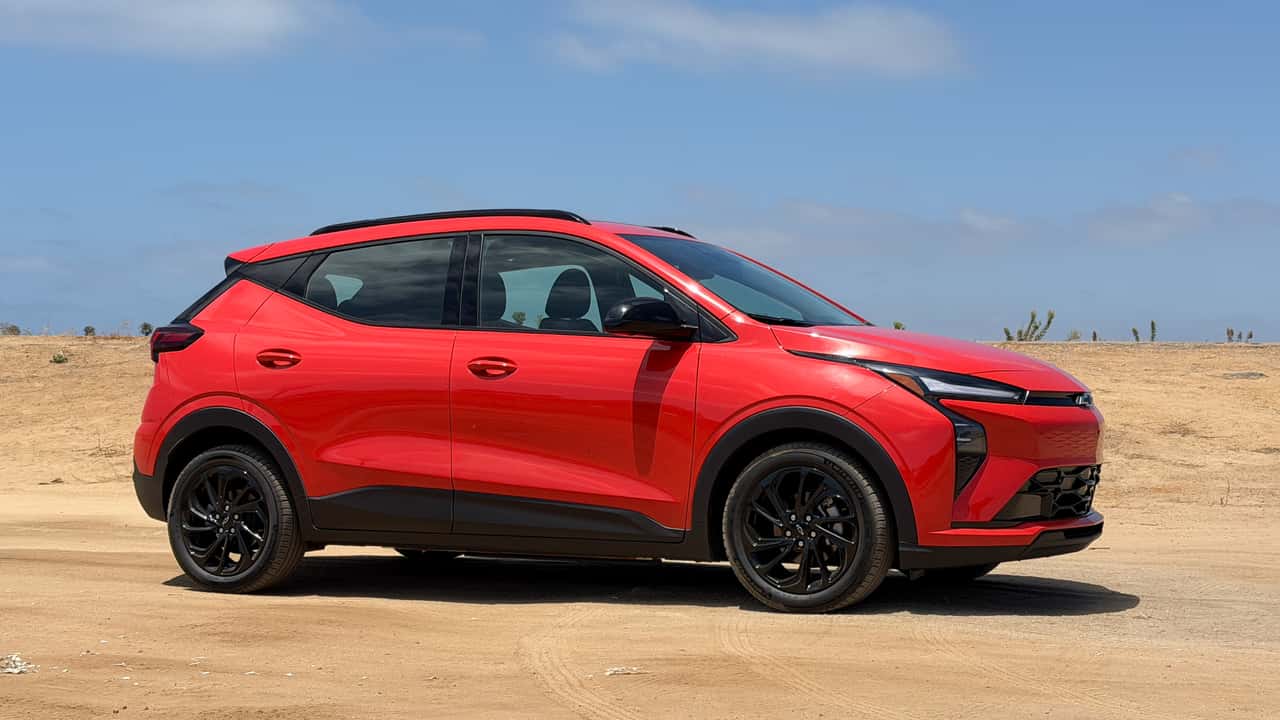
The 2027 Chevrolet Bolt EV demonstrated a notable difference in highway range efficiency when tested at varying speeds, with a 60 mph pace proving substantially more effective than a 70 mph pace. This finding emerged from a specific highway range test designed to evaluate the electric vehicle's performance under typical driving conditions. The test results indicate that drivers prioritizing maximum range on highways should consider reducing their speed to approximately 60 mph. This speed threshold appears to be a critical point for optimizing energy consumption in the Bolt EV. While the exact range figures at each speed were not detailed in the provided information, the qualitative assessment highlights a significant efficiency gain. This efficiency difference is crucial for electric vehicle owners, as range anxiety remains a primary concern for many consumers considering the adoption of EVs. Understanding how speed impacts range allows drivers to make informed decisions about their travel plans, particularly for longer journeys where charging infrastructure may be less accessible. The 2027 model year of the Chevrolet Bolt EV is part of General Motors' ongoing strategy to expand its electric vehicle offerings. The Bolt EV, first introduced in 2016, has been a key model in making electric vehicles more accessible to a broader market, often praised for its affordability and practical design. General Motors has committed to an all-electric future, with the Bolt EV and its successor, the Bolt EUV, playing a role in this transition. The company is investing heavily in battery technology and EV platform development, aiming to compete with established and emerging EV manufacturers. The efficiency findings from this range test could influence how consumers perceive and utilize the Bolt EV, potentially extending its practical usability for a wider array of driving scenarios. Further analysis of the test data would likely reveal the specific energy consumption rates (e.g., kilowatt-hours per mile) at both 60 mph and 70 mph, providing a more quantitative understanding of the efficiency gap. This information is vital for accurate range prediction and trip planning. The implications of this test extend beyond the Bolt EV, as similar speed-efficiency relationships are common across most electric vehicles. Manufacturers often provide estimated range figures based on standardized testing cycles, but real-world performance can vary significantly due to factors like speed, terrain, ambient temperature, and driving style. The emphasis on 60 mph efficiency suggests that aerodynamic drag, which increases with the square of velocity, becomes a dominant factor in energy consumption at higher speeds. Therefore, even a modest reduction in speed can lead to a disproportionately large improvement in range. This insight is valuable for EV owners seeking to maximize their vehicle's travel distance on a single charge.
Original source — read the full reporting at the publisher:
Read on InsideEVsGet the weekly AI digest
AI news + new model releases, weekly. Drafted by our agents, reviewed by humans.