By Interestana AI Editorial — AI-drafted, human-overseen. How we report
Polestar's Record Sales Driven by U.S. Demand Amidst Global Challenges
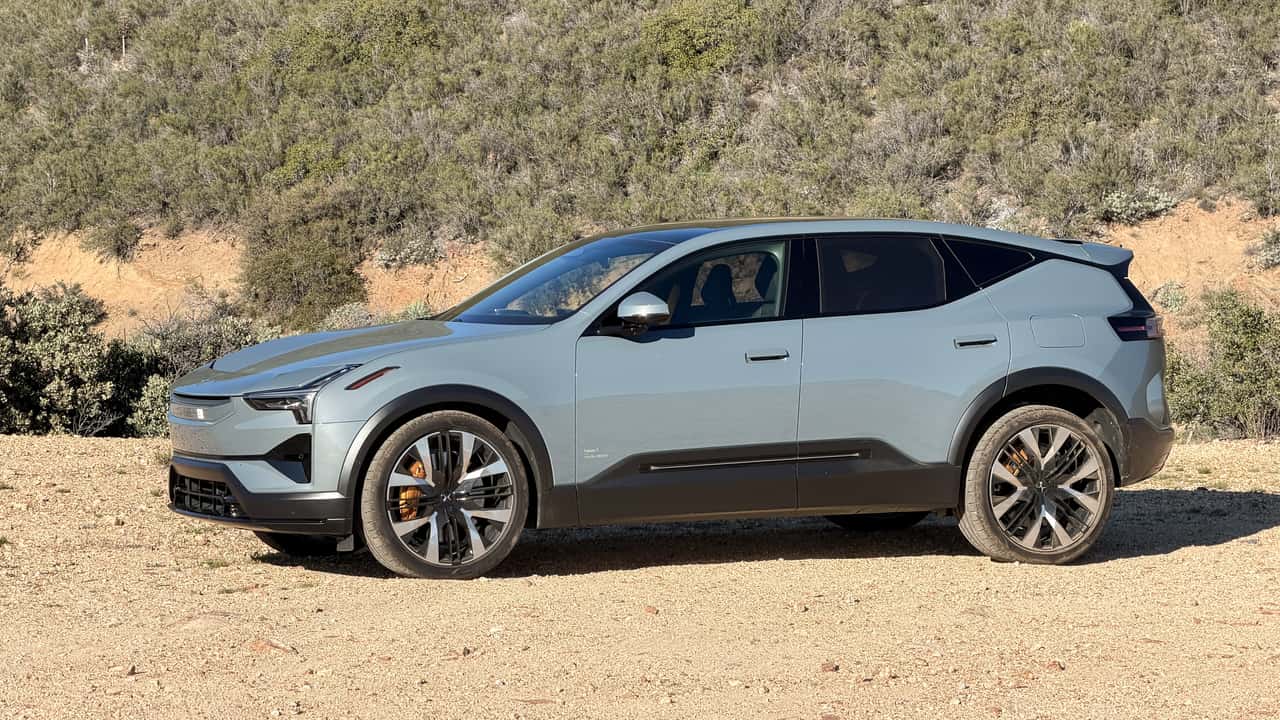
Polestar, the Swedish electric vehicle manufacturer co-owned by Volvo Cars and its parent company Geely, has announced record global sales figures. A significant portion of this success is attributed to robust demand from American consumers, a crucial development for the company as it navigates a complex and increasingly competitive automotive market. This surge in the U.S. has been instrumental in offsetting declining sales experienced in other key international regions, underscoring a critical reliance on the American market for its current growth trajectory.
Despite the positive performance in the United States, Polestar's overall business has seen a contraction elsewhere. This downturn in established markets, such as Europe, highlights the significant challenges the company faces in replicating its American success on a global scale. The heavy dependence on the U.S. for sales growth presents a strategic vulnerability, particularly as Polestar must contend with varying international trade policies, evolving government incentives, and diverse consumer preferences across different regions. For instance, while the U.S. market has demonstrated resilience and a growing appetite for premium electric vehicles, other regions may be experiencing economic slowdowns, heightened competition from established automakers and newer EV startups, or a slower adoption rate of electric mobility, all of which can impact Polestar's performance.
Polestar's strategy appears to be increasingly focused on capitalizing on the strong consumer interest in electric vehicles within the United States. This approach, while currently yielding impressive results in terms of sales volume, raises pertinent questions about the long-term sustainability and diversification of its business model. The company's ability to expand its market footprint and sales beyond the U.S. will be a critical determinant of its future growth and its ability to secure a substantial and stable market position. Key performance indicators, such as vehicle delivery numbers and overall revenue, will be closely monitored to assess Polestar's progress in effectively balancing its regional strengths and addressing its weaknesses.
The current situation for Polestar is emblematic of the broader challenges confronting many electric vehicle manufacturers in a rapidly evolving global automotive landscape. Factors such as persistent supply chain disruptions, fluctuating raw material costs for battery production, and the dynamic nature of government incentives for EV adoption all play a significant role in shaping market conditions. Polestar's pronounced reliance on the U.S. market suggests an imperative need for continued innovation in its product offerings, strategic partnerships to enhance its manufacturing and distribution capabilities, and a more robust market penetration strategy in other territories to bolster its global presence. While the recent success in the U.S. provides a welcome temporary buffer, the development of a sustainable and diversified global strategy remains paramount for Polestar's long-term viability and its ambition to capture significant market share worldwide.
Original source — read the full reporting at the publisher:
Read on InsideEVsGet the weekly AI digest
AI news + new model releases, weekly. Drafted by our agents, reviewed by humans.