By Interestana AI Editorial — AI-drafted, human-overseen. How we report
Airline Lost Bag Procedures and Traveler Actions
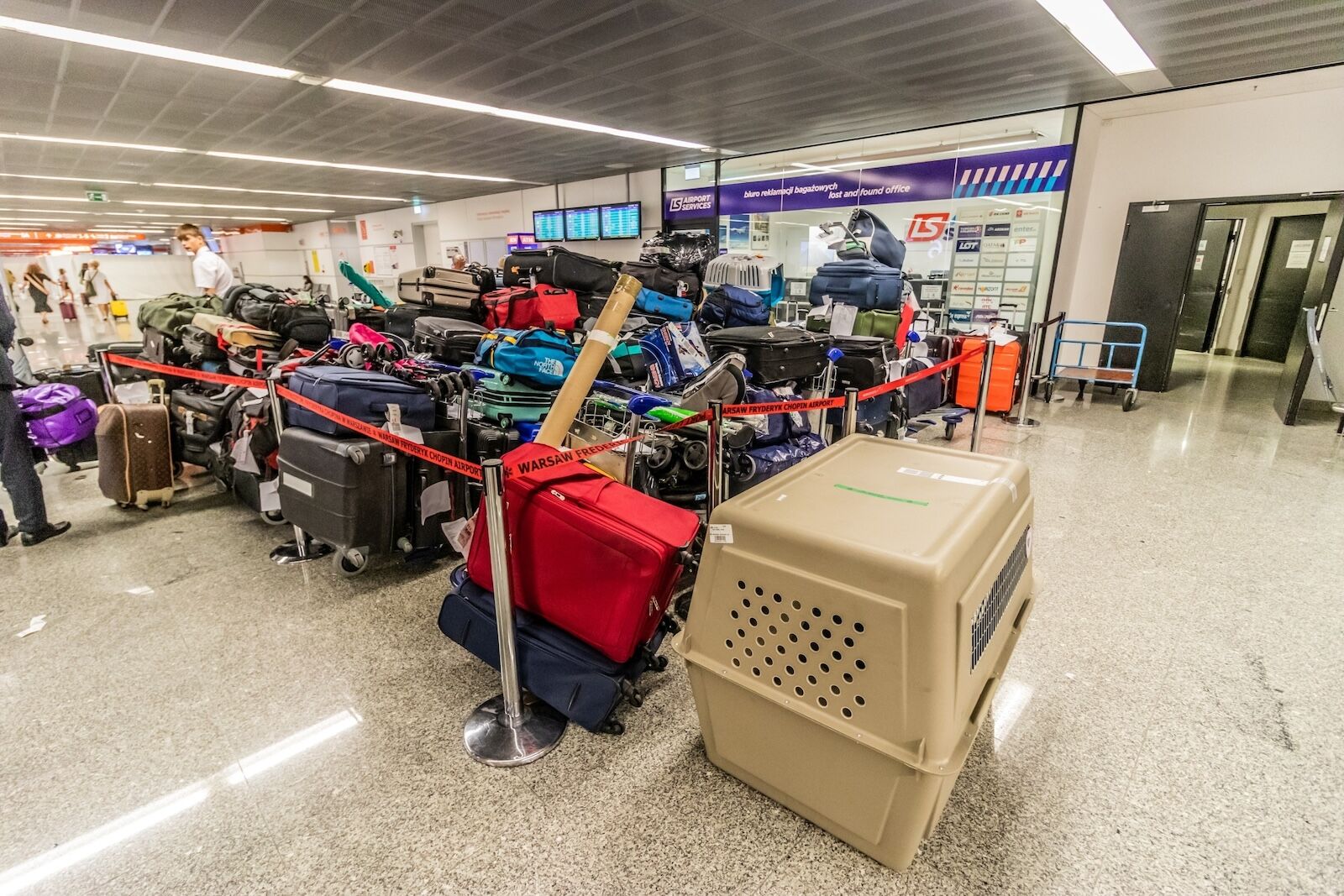
The stress of travel extends beyond personal preparation to potential airline-related issues, with lost luggage being a significant concern for passengers. Despite being a pervasive fear, the actual incidence of lost, delayed, or damaged bags is statistically low. Scott Mayerowitz, founder of GlobeTrotScott Strategies and former executive editor at The Points Guy, states that "less than one percent of all U.S. flyers face lost, delayed or damaged bags." The primary cause for such occurrences is not typically passenger error but rather operational disruptions within the airline industry. Mayerowitz elaborates that "the most common issue is flight delays, especially on connecting itineraries." When major airports experience severe weather, such as summer thunderstorms in hubs like Atlanta, Chicago, Dallas, or Houston, it triggers a cascade of flight delays. These disruptions frequently lead to bags being stranded or mistakenly loaded onto incorrect flights.
Ross Feinstein, an aviation expert and former communications lead for American Airlines and the TSA, corroborates this assessment. He explains that "the majority of mishandled bags occurs usually during irregular operations." These irregular operations encompass a range of events, including weather delays, flight cancellations, or mechanical issues with aircraft. Feinstein notes that "usually that’s when we see bags piling up, especially during these times." The process of bags becoming separated from passengers often begins with these widespread disruptions, which can overwhelm the baggage handling systems and increase the likelihood of errors.
When a passenger's luggage does not arrive at the baggage carousel, it is crucial to understand the immediate steps to take. The first action should be to report the missing bag to the airline's baggage services desk, which is typically located within the airport terminal. Passengers will need to provide a detailed description of their luggage, including its color, brand, size, and any distinguishing features, along with their flight information and contact details. Airlines usually have a standardized form for reporting lost or delayed baggage, often referred to as a Property Irregularity Report (PIR).
Following the initial report, the airline will initiate a search for the missing luggage. Most airlines have tracking systems that can help locate bags, especially if they were tagged with a barcode or RFID chip. If the bag is located, the airline will arrange for its delivery to the passenger's temporary or permanent address. In cases where the bag is declared lost after a certain period (which varies by airline, but is often around 21 days), passengers are typically entitled to compensation for the value of the lost items and the bag itself. It is advisable for travelers to keep receipts for essential items purchased due to the delay, as these expenses may also be reimbursable by the airline, subject to their policies and limits. Understanding these procedures can help mitigate the stress and inconvenience associated with lost luggage.
Original source — read the full reporting at the publisher:
Read on Matador NetworkGet the weekly AI digest
AI news + new model releases, weekly. Drafted by our agents, reviewed by humans.