By Interestana AI Editorial — AI-drafted, human-overseen. How we report
Texas Flood Exposes Gaps in State's Warning System
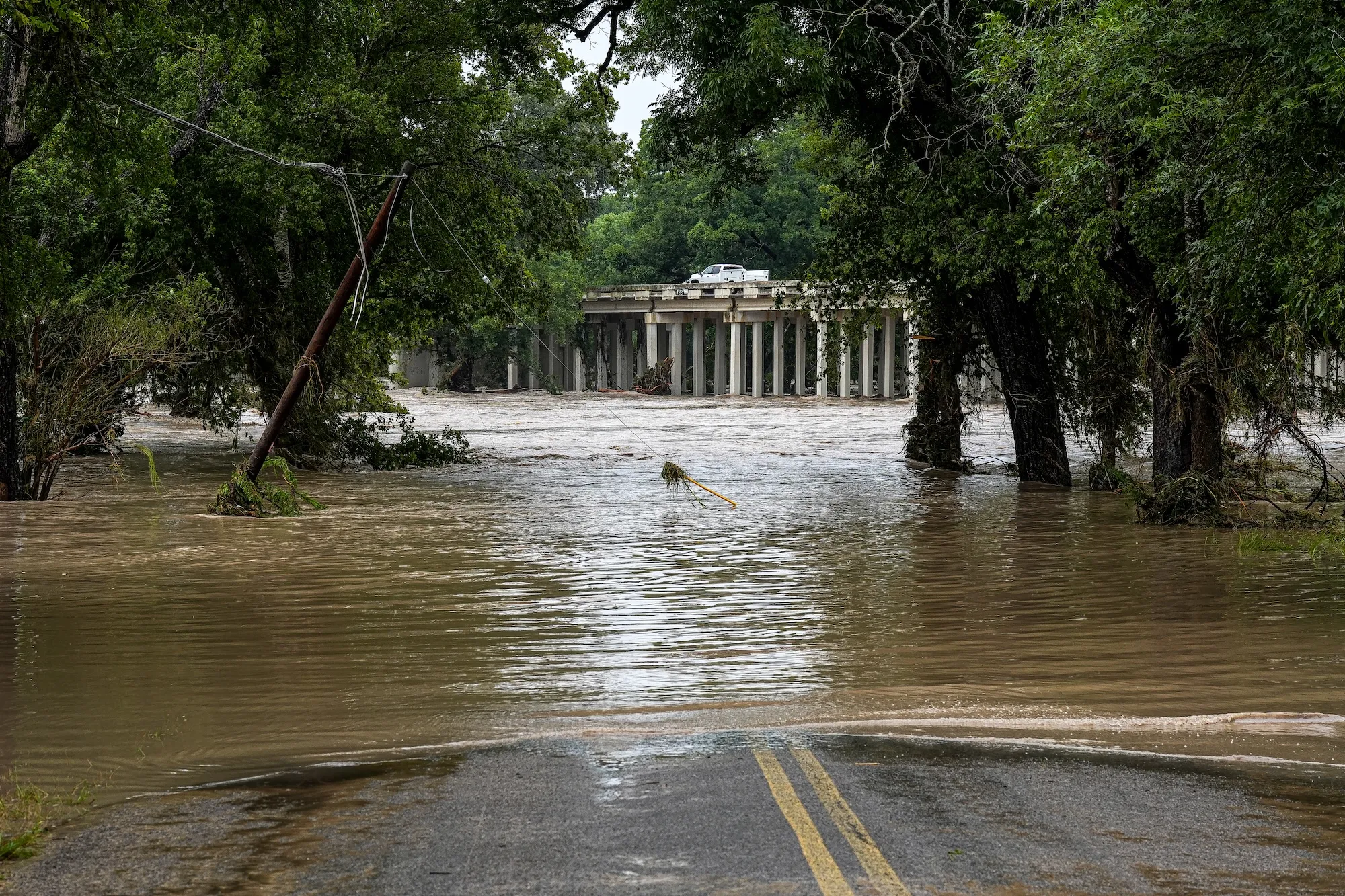
Torrential rains in the Texas Hill Country last month led to significant flooding, prompting residents like Paul Welch to monitor weather data closely. Welch utilized RiverHub, a new tracking website operated by the Upper Guadalupe River Authority, to assess the situation. Despite his vigilance and the website's real-time information, he was awakened by a neighbor at midnight, four hours after he had gone to bed, due to rapidly rising floodwaters. This event mirrored a similar catastrophic flood experienced the previous July, underscoring a recurring vulnerability in the region.
The floodwaters at Center Point, located 4 miles upstream from Welch's property near Comfort, rose an astonishing 25 feet overnight. This rapid escalation necessitated an immediate evacuation for Welch and his partner, Elizabeth Hastings. They managed to salvage essential items, including firearms, jewelry, important documents, and medication, loading them into their Sprinter van and driving to a gas station already filled with other evacuees. Welch also moved personal property, such as his tractor and golf cart, to higher ground before joining neighbors in a familiar gathering spot near the highway, a location they had used during the previous year's flood.
Following the inundation, Welch and Hastings discovered the extent of the damage. Their $130,000 RV, which they had been living in while awaiting the completion of their new home, was swept away. Additionally, new appliances stored in Welch's shop, still in their original packaging, were lost, as were 200-year-old cypress trees that had previously withstood numerous environmental challenges. The emotional toll was significant, as recounted by Huntly Dantzler, a volunteer who had assisted the couple during the prior flood. Dantzler expressed his distress upon hearing Welch's account of the losses, describing their shared experience of crying and praying over the phone as they processed the devastation.
This incident raises critical questions about the efficacy of existing flood warning systems in Texas, particularly in areas prone to flash floods. While technologies like RiverHub offer improved monitoring capabilities, the speed and intensity of the recent flood suggest that current systems may not always provide sufficient lead time for residents to fully secure their property or evacuate safely. The repeated nature of such severe events in the same region highlights a persistent challenge in disaster preparedness and response, emphasizing the need for ongoing evaluation and enhancement of warning protocols and infrastructure to better protect communities from the destructive power of extreme weather.
Original source — read the full reporting at the publisher:
Read on GristGet the weekly AI digest
AI news + new model releases, weekly. Drafted by our agents, reviewed by humans.