By Interestana AI Editorial — AI-drafted, human-overseen. How we report
Exxon Scientists Doubted Company's Climate Fix Claims
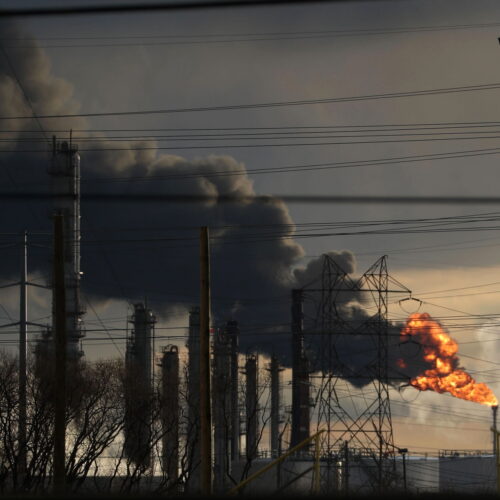
Internal documents from ExxonMobil, unsealed as part of a 2019 lawsuit filed by Massachusetts, indicate that the company's own scientists harbored doubts about the efficacy and viability of climate change mitigation technologies that ExxonMobil publicly promoted. These revelations emerge in the context of a year, 1988, when global awareness of climate change was significantly increasing, marked by NASA climatologist James Hansen's testimony to Congress about anthropogenic warming and the establishment of the Intergovernmental Panel on Climate Change by the United Nations.
One such document is an internal memo from Frank Sprow, part of Exxon's corporate research department, dated shortly before the UN vote in 1988. Sprow warned his colleagues about potential "substantial negative impacts on Exxon" should a "worldwide consensus emerge that action is needed to mitigate against Greenhouse gas effects." While this memo was referenced in a 2023 Wall Street Journal article, its full contents have not been widely published until now. The lawsuit, initiated by Massachusetts in 2019, has led to the release of a collection of previously undisclosed documents, providing new insights into ExxonMobil's internal deliberations regarding climate science and its business implications.
Beyond the 1988 memo, the newly released filings include more recent statements from Exxon scientists that directly challenge the company's public assertions about its advancements in biofuels and carbon capture and storage (CCS) technologies. These internal communications suggest a divergence between the company's external messaging, which often highlighted these initiatives as significant climate solutions, and the internal assessments of its scientific staff. The specific nature of these challenges and the scientists' concerns are detailed within the documents, offering a more nuanced understanding of ExxonMobil's engagement with climate change mitigation efforts. The implications of these internal doubts are significant, particularly in light of the company's long-standing public relations campaigns and its substantial investments in fossil fuel production, which remains its core business.
The lawsuit itself, brought by the Commonwealth of Massachusetts, centers on allegations that ExxonMobil misled the public and investors about the risks of climate change and the company's role in it. The unsealing of these internal documents provides crucial evidence for the plaintiffs, potentially demonstrating a pattern of internal awareness of climate risks and technological limitations that contrasted with public pronouncements. The documents shed light on the internal scientific discourse within one of the world's largest oil and gas companies during critical periods of climate science development and policy formation. The ongoing legal proceedings are expected to further scrutinize ExxonMobil's historical actions and communications concerning climate change.
Original source — read the full reporting at the publisher:
Read on Ars TechnicaGet the weekly AI digest
AI news + new model releases, weekly. Drafted by our agents, reviewed by humans.