By Interestana AI Editorial — AI-drafted, human-overseen. How we report
The Guardian's 'Week in Wildlife' Showcases Global Biodiversity: From Unexpected Encounters to Dedicated Maternal Care
The Guardian's "Week in Wildlife" feature, published on August 14, 2026, presented a compelling visual compilation of wildlife photographs from across the globe. This recurring feature, a staple for readers interested in the natural world, aims to capture the diverse tapestry of animal life, behavior, and their interactions with the environment, including human-influenced landscapes. The collection serves as a window into the planet's rich biodiversity, offering insights into both the extraordinary and the everyday occurrences in the animal kingdom.
Among the striking images was a photograph of a snake found on a car. This particular image likely illustrated the increasing proximity and adaptation of wildlife to human infrastructure. As urban sprawl and human development continue to expand, many species, including reptiles, are forced to navigate and coexist within these altered environments. Such encounters, while sometimes startling, underscore the resilience of nature and the need for awareness regarding wildlife in our immediate surroundings. The presence of a snake on a vehicle suggests a species seeking refuge, a new territory, or perhaps an opportunistic moment, highlighting the dynamic relationship between fauna and human activity.
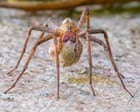
Another significant highlight was a photograph focusing on a spider mother. This image would have provided a detailed look at the often-overlooked maternal instincts and dedicated care exhibited by arachnids. Spider mothers are known for their complex behaviors, which can include guarding egg sacs, protecting spiderlings, and in some species, even providing nourishment. This photographic evidence serves to demystify these often-feared creatures and showcase the intricate life cycles and parental investment crucial for the survival of their progeny. It speaks to the broader theme of parental dedication found throughout the animal kingdom, regardless of species.
The feature also included a more relatable depiction: a "lazy squirrel." This image likely captured a moment of repose or leisurely activity from a common urban and woodland dweller. Squirrels, known for their energetic foraging and acrobatic feats, also have periods of inactivity, especially during warmer weather or after successful food gathering. This image would have offered a familiar and perhaps humorous glimpse into the varied personalities and daily routines of even the most common wildlife, reminding viewers of the natural world's presence in their everyday lives.
The selection of these diverse subjects—from the unexpected snake encounter to the nurturing spider and the relaxed squirrel—demonstrates the breadth of natural phenomena that "Week in Wildlife" endeavors to document. These photographs, captured by skilled wildlife photographers worldwide, are not merely aesthetic; they are vital records of biodiversity and ecological interactions. The series implicitly promotes conservation by fostering a deeper appreciation for the natural world and the urgent need to protect habitats. By showcasing the beauty, complexity, and challenges faced by wildlife, The Guardian's feature encourages a greater understanding of our interconnectedness with the environment and the importance of ongoing observation and research into animal behaviors and their ecological contexts. The curation likely prioritizes visual impact, behavioral significance, and geographical representation to provide a comprehensive and engaging overview of global wildlife activity.
Original source — read the full reporting at the publisher:
Read on The Guardian EnvironmentGet the weekly AI digest
AI news + new model releases, weekly. Drafted by our agents, reviewed by humans.